Introduction
UVC LED light decay is a major reliability concern for manufacturers of disinfection, water treatment, and industrial UV systems because declining optical output can reduce the effective UV dose during operation. Although a UVC LED may meet its initial optical power specification, prolonged exposure to heat, electrical stress, and UV-induced material degradation can gradually reduce its radiation output. Understanding the causes of UVC LED degradation and how to control them helps equipment manufacturers evaluate LED lifetime, maintain thermal stability, and select reliable suppliers for long-term production.
What Does UVC LED Light Decay Mean for Product Lifetime
UVC LED light decay refers to the gradual reduction in radiant output during operation, commonly evaluated through optical power maintenance rather than visible-light lumen depreciation. As radiation output decreases, a disinfection system may deliver a lower UV dose unless its operating time or system design compensates for the loss.
L70 lifetime is the operating time required for a UVC LED's radiant output to decline to 70% of its initial value under specified test conditions. A rated lifetime of 15,000 hours at L70 does not mean the LED stops working after 15,000 hours; it indicates that its output is expected to reach the defined maintenance threshold. Buyers should examine the corresponding drive current, junction temperature, operating conditions, sample size, and measurement method before comparing lifetime specifications between manufacturers.
4 Major Causes of UVC LED Degradation
UVC LED degradation usually results from several interacting mechanisms, including semiconductor defects, excessive heat, packaging deterioration, and electrical or environmental stress.
1. Chip Epitaxial Defects & Internal Aging
AlGaN epitaxial layers used in deep-UV LEDs can contain lattice-mismatch defects and dislocations that increase non-radiative recombination, while localized current crowding and prolonged electrical stress may further reduce chip efficiency and accelerate internal aging, making epitaxial quality an important factor in long-term optical output stability.
2. Excessive Junction Temperature & Thermal Stress
UVC LEDs convert only part of their electrical input into optical radiation, with the remaining energy generating heat that must be dissipated through the chip, package, and system cooling structure. When heat accumulates, elevated junction temperature can reduce instantaneous radiant output and accelerate the degradation of semiconductor materials, metal connections, solder interfaces, and other internal components. Repeated temperature fluctuations can also introduce mechanical stress at material interfaces, increasing the risk of structural deterioration over time.
3. UVC-Induced Packaging Material Degradation
High-energy UVC photons, particularly within the 260–280 nm range, can break chemical bonds in susceptible organic packaging materials, causing discoloration, reduced transmittance, and declining optical extraction efficiency. Packaging materials that are not designed for deep-UV exposure may therefore become a significant source of long-term optical degradation. In addition, solder voids, poor bonding interfaces, or inadequate thermal contact can increase package thermal resistance, creating localized hot spots that accelerate component aging.
4. Electrical Overstress & Environmental Exposure
Driving a UVC LED beyond its recommended current or current-density range increases electrical and thermal stress, potentially accelerating chip degradation and reducing operating stability. High humidity, salt exposure, and repeated temperature changes can also affect electrodes, electrical connections, and package interfaces, particularly when moisture penetrates inadequately protected structures. These combined stresses can shorten the effective UVC LED lifetime even when the initial optical power meets the required specification.
How to Reduce UVC LED Light Decay Through Engineering Design
Reducing UVC LED light decay requires coordinated improvements in semiconductor quality, thermal management, electrical connections, and UV-resistant packaging rather than relying on a single design adjustment.
Improve Chip Structure and Electrical Connections
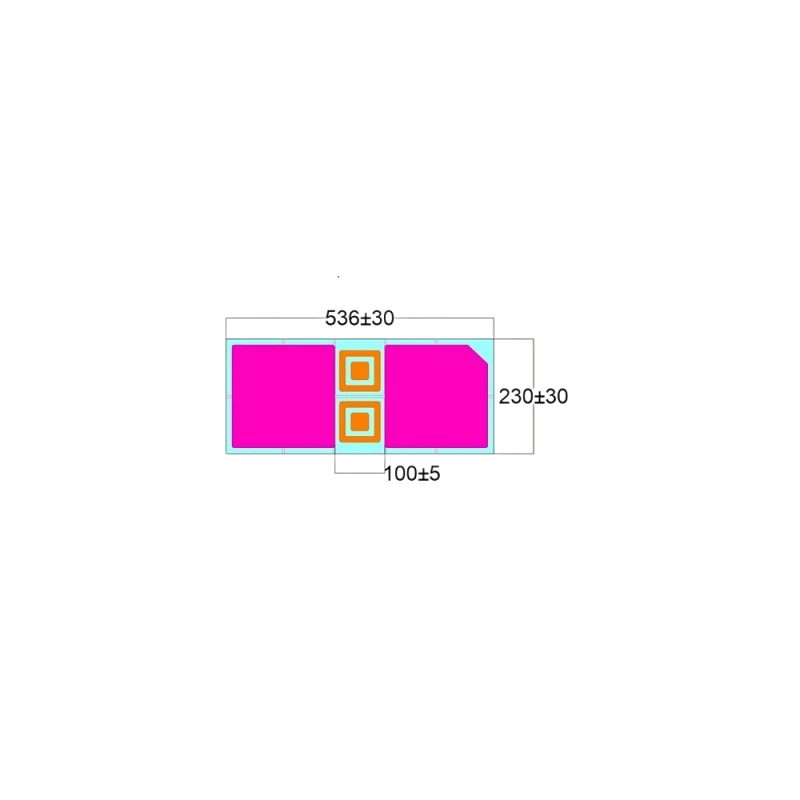
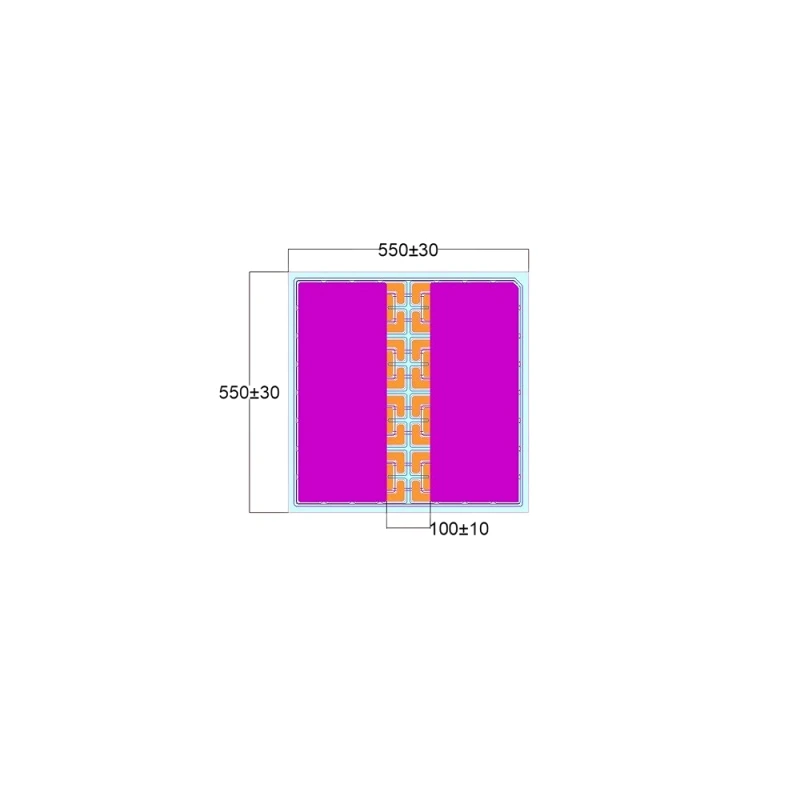
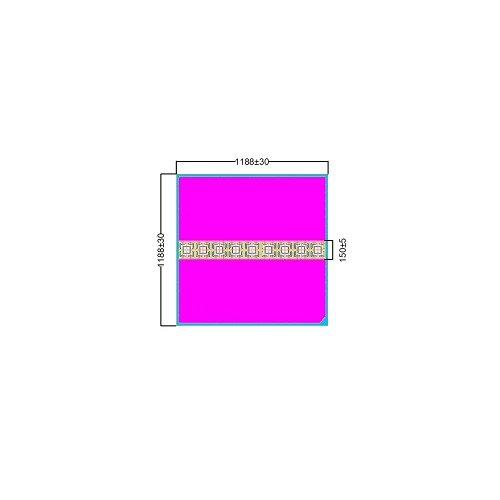
High-quality AlGaN epitaxial growth helps control crystal defects, while optimized flip-chip structures and AuSn (gold-tin) eutectic bonding can improve electrical connections and heat transfer between the chip and substrate, reducing interface-related thermal resistance and supporting more stable long-term operation. In-situ SiN dislocation annihilation technology is another approach to controlling epitaxial defects during material growth, helping improve the semiconductor structure before chip fabrication.
Optimize UVC LED Thermal Management
Effective UVC LED thermal management begins with calculating the heat generated under actual drive conditions and establishing a continuous thermal path from the chip junction to the external cooling structure. Engineers should select substrates and heat-dissipation components according to power density, installation space, and operating environment, while controlling drive current and duty cycle to prevent prolonged thermal overload. Thermal simulation and junction-temperature evaluation can help identify hot spots and determine whether the package and system cooling design provide sufficient heat dissipation.
Select UV-Resistant Packaging Materials
Packaging materials should be selected according to the operating wavelength, radiation intensity, and expected service environment, with quartz optical windows and suitable UV-resistant materials used where appropriate. A well-designed package should also minimize moisture penetration, protect electrical connections, and maintain reliable thermal contact between the chip and substrate. For demanding applications, material compatibility and package durability should be verified through long-term UV exposure and environmental testing rather than assumed from initial optical performance.
For more detailed engineering considerations, see our guides: How Thermal Management Affects UVC LED Output and Lifetime and How Are UVC LEDs Packaged? From Bare Chip to Packaged LED.
How to Verify UVC LED Reliability Before Purchasing
Initial optical power and rated lifetime alone cannot establish long-term product reliability, so buyers should evaluate aging data, environmental test results, and production consistency before approving a UVC LED supplier.
Request long-term operating and aging records that show periodic radiant power measurements, optical output maintenance curves, and the corresponding L70 evaluation under clearly defined drive current, temperature, operating duration, and measurement conditions.
Examine high-temperature operating tests, temperature cycling, and high-temperature high-humidity testing to determine whether the LED maintains stable optical and electrical performance under environmental stress, while checking salt spray and mechanical vibration results when the target application requires them.
AEC-Q102 provides a relevant qualification framework for automotive optoelectronic semiconductor components, making it useful when evaluating products intended for demanding vehicle environments, although it should not be treated as a universal mandatory certification for every UVC LED application.
Compare optical power, peak wavelength, forward voltage, and binning records across multiple production batches, and request comparable aging data to determine whether different batches maintain similar optical output and degradation trends rather than merely meeting the same initial specifications.
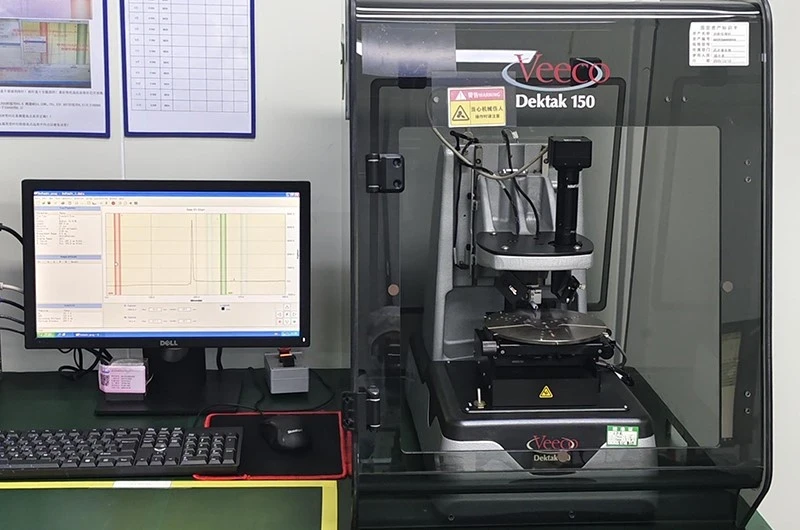
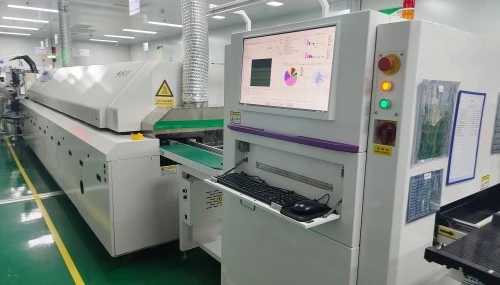
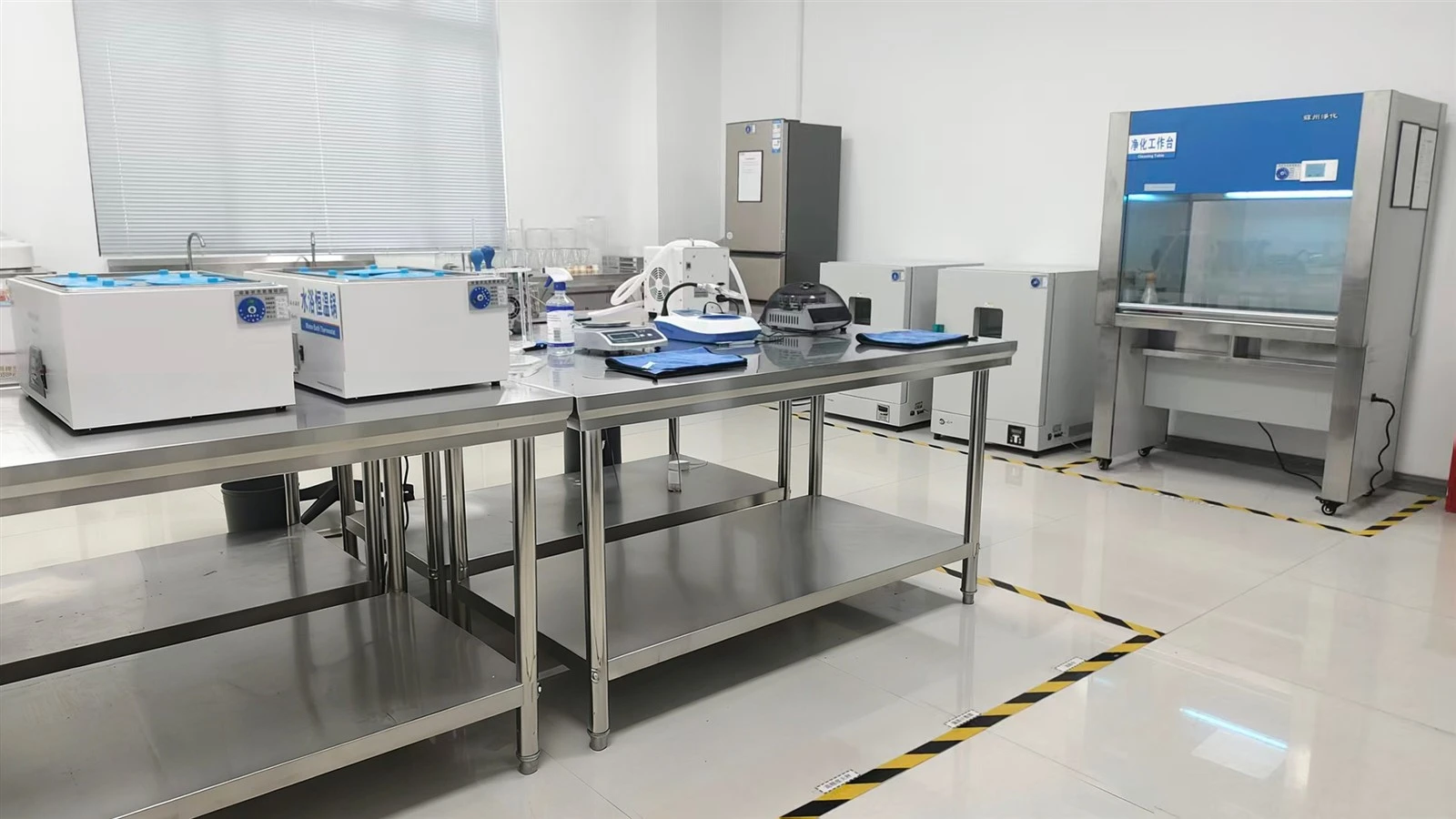
Check whether the supplier maintains controlled production processes, optical and electrical inspection procedures, batch traceability, and suitable laboratory equipment, such as programmable temperature and humidity test chambers and radiation test systems, to support repeatable reliability verification.
Quality & Reliability Assurance
UVLEDTEK integrates epitaxial growth, chip manufacturing, and LED packaging with optical, electrical, and environmental reliability testing, supporting more consistent control throughout production. Its quality assurance capabilities include production monitoring and pre-shipment optical and electrical inspections, while its automotive UV LED portfolio provides an additional reference for evaluating demanding reliability requirements.
For further details, buyers can review our article: How UVC LED Reliability Is Tested Before Mass Production.


Conclusion
UVC LED light decay is influenced by semiconductor defects, excessive junction temperature, packaging material degradation, and electrical or environmental stress, making it a result of multiple interacting factors rather than a single component issue. Maintaining stable optical output requires high-quality chip structures, effective thermal management, UV-resistant packaging, and reliability testing that verifies both lifetime performance and batch consistency. Contact the engineering team to discuss your application requirements, request UVC LED specifications and reliability test data, or explore UVC LED chip solutions.
Get Your UVC LED Chip Solutions
FAQ
Q: What Is the Typical L70 Lifetime of a UVC LED?
A: Some UVC LED products specify up to 15,000 hours at L70, but buyers should verify the drive current, junction temperature, and test conditions behind the rating.
Q: Does High Temperature Accelerate UVC LED Degradation?
A: Yes, excessive junction temperature can reduce operating optical output and accelerate the aging of semiconductor materials, electrical connections, and packaging structures.
Q: How Can Buyers Check UVC LED Batch Consistency?
A: Buyers should compare optical power, peak wavelength, forward voltage, binning records, and aging curves across multiple production batches.