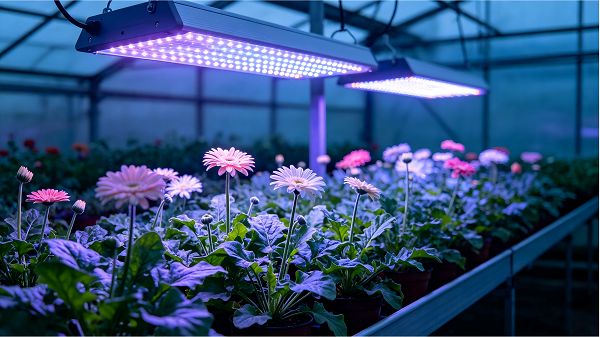
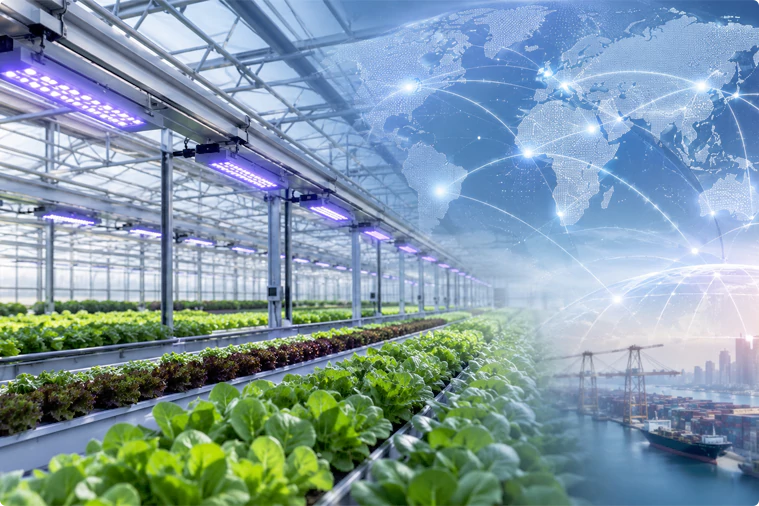
Integrated UV LED Technology for Horticultural Applications

UVLEDTEK focuses on the independent R&D and manufacturing of high-performance UV LED chips, LEDs, and modules, providing reliable system-level solutions for global clients. By deeply applying core UV ultraviolet technology into greenhouse cultivation and plant growth applications, we deliver stable, efficient, and application-oriented mercury-free UV auxiliary lighting solutions for global greenhouse operators, agricultural manufacturers, and OEM partners.

Integrated UV LED Technology for 
Horticultural Applications

UV LED Applications for Modern Horticultural Systems

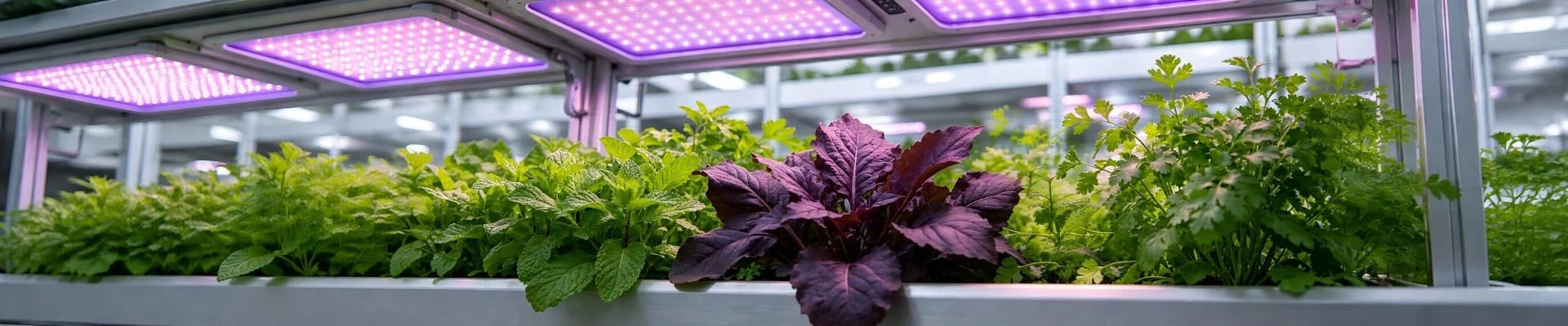
Commercial Intelligent Greenhouse
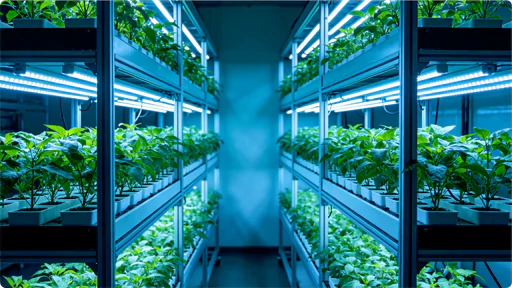
Vertical Indoor Planting Factory
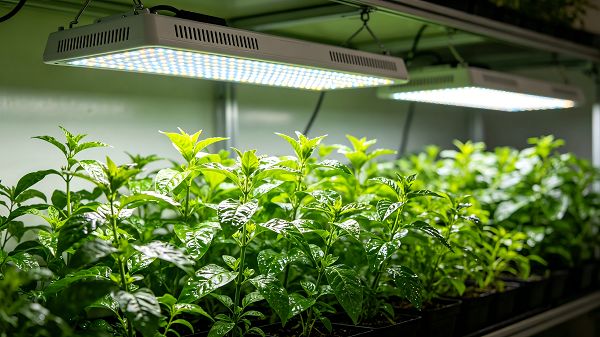
Seedling Tissue Culture & Seedling Cultivation
wmpage10.webp
High-value Plant Planting
wmpage11.webp
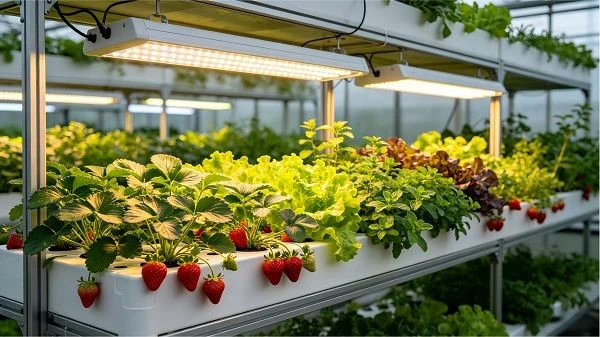
Fruit, Vegetable, and Herb Standardized Cultivation
wmpage07.webp
Flower Ornamental Crop Planting
 

Why Modern Greenhouses Need UV LED Auxiliary Lighting

As organic agriculture, pesticide-reduction policies, and international trade restrictions on chemical fungicides continue to develop, traditional red and blue supplementary lighting is no longer sufficient to meet the needs of modern, standardized farming. Low-dose UV LED auxiliary lighting provides an advanced way to support plant health, environmental sterilization, and more sustainable greenhouse management.

Traditional Basic Photosynthesis Lighting
  • Supports basic photosynthesis and normal crop growth.

  • Mainly focuses on visible-spectrum growth regulation.

  • It may not fully support plant defense response under intensive cultivation conditions.

  • Does not directly address mildew, bacteria, or fungal pathogens in greenhouse environments.

  • Growers may still depend on pesticides and chemical fungicides for disease management.

  • May be limited in improving crop taste, nutrient accumulation, and post-harvest stability.

  • Supports controlled-environment cultivation but does not directly solve chemical reduction needs.

Low-Dose UV Auxiliary Lighting
  • Supports plant health management and biological induction.

  • Provides an auxiliary UV function beyond visible light.

  • Helps support plant stress-response mechanisms under controlled low-dose exposure.

  • productcate-24-24

    Supports localized environmental sterilization and microbial pressure reduction.

  • Provides a physical, non-chemical auxiliary approach to support pesticide reduction.

  • Can support crop quality management and a more stable cultivation ecology under suitable conditions.

  • Aligns with pesticide reduction, organic agriculture, mercury-free technology, and sustainable farming trends.

How Low-Dose UV LED Supports Plant Health & Crop Quality

How Low-Dose UV LED Supports Plant Health & Crop Quality

Unlike traditional visible-spectrum growth lamps, UV LEDs can emit controlled shortwave ultraviolet light within the required range. Under scientific low-dose irradiation, UV acts as a biostimulant rather than a simple disinfection light source. When crops receive periodic quantitative UV radiation, ultraviolet photons penetrate plant epidermal cells and activate the plant's inherent stress-resistance gene expression. This biological reaction significantly accelerates the synthesis of flavonoids, polyphenols, anthocyanins, essential oils, and other secondary metabolites, improving plant immunity, pigment accumulation, and nutritional density. Meanwhile, precise UV wavelength can destroy the DNA structure of airborne mold spores, bacteria, and fungal pathogens in greenhouses, realizing physical sterilization without chemical residues and building a clean microbial growth environment for crops.

productcate-20-25

Response Plant Defense

productcate-28-29

Microbial Control

productcate-26-26

Sustainable Agriculture

Market Trends in UV LED Horticultural Applications

In Europe, America, Southeast Asia and other mature horticultural markets, UV LED plant growth technology has been widely popularized and commercially applied.

Mainstream Technical Route

Low-dose, safe UV irradiation mode has become the industry consensus. The market is gradually abandoning high-intensity random irradiation and adopting a timing, quantitative, and staged UV supplementary light scheme that matches the plant growth cycle: an approach that is safe, efficient, and causes no photodamage to crops.

Mainstream Applied Products

Modular UV supplementary light strips, top canopy UV irradiation panels, inter-row environmental disinfection UV modules, and water circulation UV sterilization accessories are the most common supporting products in modern greenhouses, which are perfectly compatible with full-spectrum grow lights, intelligent planting control systems, and vertical farm equipment.

Market Application Trend

Global large-scale commercial farms, medicinal plant cultivation bases, high-value fruit and vegetable greenhouses, and flower seedling nurseries have adopted UV auxiliary lighting as standard. Green, pesticide-reduced, and nutrient-rich agricultural products grown with UV assistance command higher market prices and greater international export competitiveness.

UVLEDTEK Horticulture Lighting Products for Greenhouse Planting
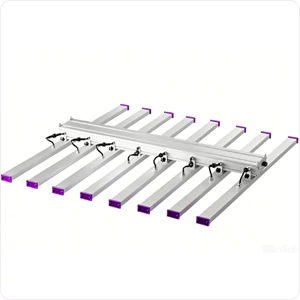
Modular UV Supplementary Light

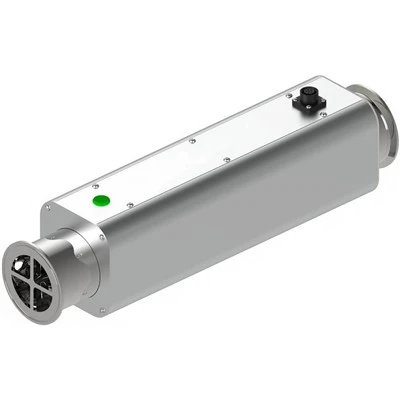
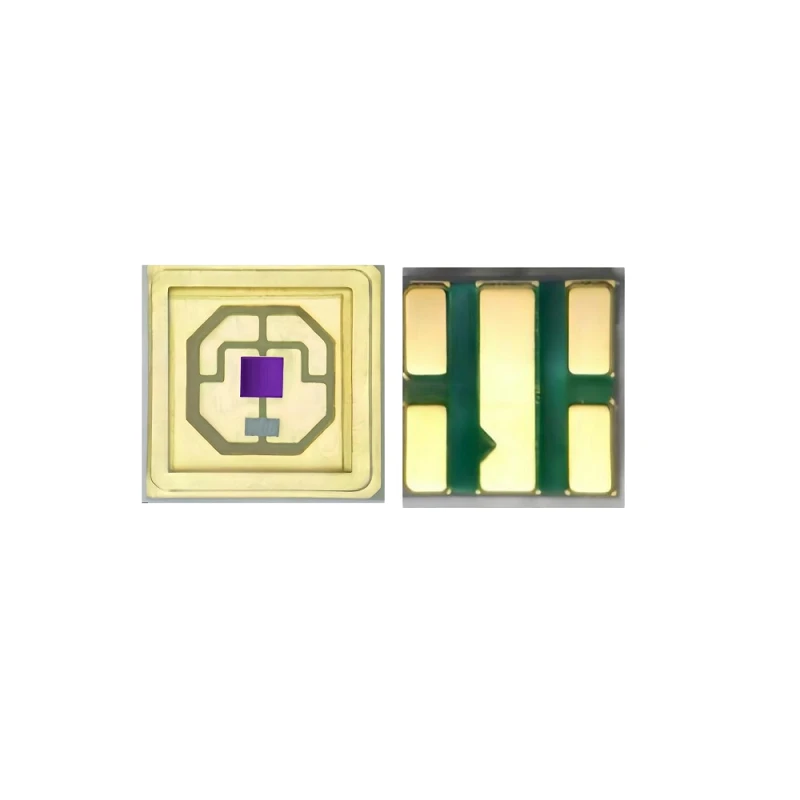
Integrated UV LED lamp beads, driver circuits, and thermal management systems into a modular form factor, which can be freely combined, spliced, and installed. It can be used for top supplemental lighting, side supplemental lighting, or targeted UV irradiation at different growth stages of crops.

Business Value of UV LED in Greenhouse Cultivation

For commercial greenhouse growers, UV LED auxiliary lighting brings practical value beyond basic illumination, helping growers build healthier, cleaner, and more value-oriented greenhouse production systems.

Business Value of UV LED in Greenhouse Cultivation

Cost Reduction

Low-dose UV LED auxiliary lighting can significantly reduce the need for most chemical pesticides and bactericides, lower agricultural material investment, and cut costs for manual spraying, thereby achieving a green and low-cost planting model.
Crop Commercial Upgrade

Controlled UV LED light can improve crop quality by increasing crop nutrient content, optimizing taste and color, improving fruit firmness and flower ornamental value, and directly raising market sales profit space.

Risk Control

UV LED modules can purify the air environment and water body irrigation environment in the greenhouse, inhibit the spread of pathogens, reduce crop disease rate, and stabilize overall planting yield.

Trade Barrier Breakthrough

UV mercury-free physical cultivation mode conforms to overseas organic agricultural certification requirements, helping farm products break through foreign trade green barriers and expand high-end overseas sales channels.

FAQ

Q: What is the main role of UV LED in greenhouse cultivation?


A: In greenhouse cultivation, UV LED can be used to support plant health, environmental sterilization, and greenhouse disease management. This makes UV LED greenhouse light technology valuable for growers and agricultural equipment manufacturers seeking cleaner and more sustainable production systems.

Q: Is UV LED safe for plants?


A: UV LED can be used safely in horticultural applications only when the wavelength, irradiation intensity, exposure distance, working cycle, and crop sensitivity are properly controlled. Excessive UV exposure may damage plant tissues, while insufficient exposure may not achieve the desired effect. UVLEDTEK supports customers with crop-level light distribution design, module customization, and application-oriented evaluation to help develop safer UV LED horticultural solutions.

Q: How does UV LED help with plant disease control?


A: UV LED plant disease control is mainly based on controlled ultraviolet exposure and microbial reduction. Properly designed UV LED modules can help reduce microbial pressure by damaging the nucleic acids of mold spores, bacteria, and fungal pathogens, limiting their ability to reproduce. In certain crops and controlled conditions, low-dose UV exposure may also support plant defense-related responses.

Q: What types of horticultural systems can integrate UV LED modules?


A: UV LED modules can be integrated into commercial smart greenhouses, indoor vertical farms, plant factories, seedling propagation systems, tissue culture facilities, flower and ornamental crop greenhouses, hydroponic systems, and agricultural robots.

Q: What information should I provide for a custom UV LED horticultural project?


A: To help us recommend the right UV LED horticultural lighting solution, you can share your crop type, greenhouse or farming environment, target function, installation space, irradiation distance, working cycle, waterproof requirements, control method, and expected project scale.

UVLEDTEK provides full-chain UV LED horticultural lighting solutions with self-developed UV chips and modules for greenhouses, vertical farms and medicinal crop cultivation. Controlled low-dose UV irradiation induces crops to produce more secondary metabolites while physically inhibiting mold and bacteria to cut pesticide usage. Our splicable UV supplementary light panels support top & side targeted lighting, fully compatible with intelligent planting control systems. As a Chinese manufacturer, we offer customized UV light designs to help growers improve crop quality and meet organic agriculture export standards.

Send Inquiry