Introduction
UVC LED reliability is not determined by a single lifetime figure or an initial optical power measurement. Before mass production, a reliable validation program should examine optical, electrical, thermal, environmental, mechanical, package, and application-level performance under defined operating conditions. For OEMs, procurement teams, and SQEs, the key question is therefore not simply whether a UVC LED works, but whether the manufacturer can demonstrate stable performance with traceable test data throughout the product lifecycle.
What Does UVC LED Reliability Mean
UVC LED reliability refers to the ability of a device or system to maintain its specified optical, electrical, thermal, and structural performance under defined operating conditions over time. For a UVC LED, key parameters include optical output, wavelength stability, electrical characteristics, package integrity, and long-term degradation.
This definition is important during supplier evaluation because initial specifications only describe the starting condition of a device. Reliability testing provides evidence of how those specifications behave when the LED is exposed to temperature, humidity, electrical load, mechanical stress, and prolonged operation.

What Is Tested Before UVC LED Mass Production
A complete UVC LED reliability testing program typically combines several test categories rather than relying on one accelerated aging test. Each category examines a different failure mechanism and provides evidence for assessing whether the device is suitable for its intended operating environment.
|
Test Category |
Main Evaluation Focus |
Typical Evidence |
|
Optical Testing |
Optical Power, Wavelength |
Optical Test Data |
|
Electrical Testing |
Current, Voltage, Electrical Stability |
Electrical Test Records |
|
Thermal Testing |
Temperature Behavior |
Thermal Test Data |
|
Environmental Testing |
Temperature & Humidity Resistance |
Aging Results |
|
Mechanical Testing |
Shock, Vibration, Structural Stability |
Mechanical Test Reports |
|
Package Reliability |
Package Integrity & Reliability |
Package Test Results |
|
Lifetime Testing |
Output Degradation |
L70 / Aging Data |
|
Application Validation |
Real-World Performance |
Application Test Reports |
The most useful validation programs connect these individual tests with the intended application, so that component-level results can be interpreted alongside system requirements and actual operating conditions.
Environmental Stress Testing for UVC LEDs
Environmental stress testing examines how UVC LEDs maintain performance when exposed to conditions that can accelerate material, package, and electrical degradation. Temperature, humidity, and repeated thermal transitions are particularly relevant because they directly influence junction temperature, package materials, and long-term optical stability.

High-Temperature Operating Test
High-temperature operating tests run the UVC LED under elevated temperature and controlled electrical conditions to observe changes in optical output, electrical behavior, and overall stability. The test profile should correspond to the device's intended operating range so that the resulting data can provide meaningful evidence for product qualification.
High-Temperature & High-Humidity Testing
High-temperature and high-humidity testing evaluates the ability of the packaged device to maintain performance under combined thermal and moisture stress. For UVC LEDs, package materials, bonding structures, and sealing characteristics all contribute to long-term stability in humid environments.
Temperature Cycling & Thermal Shock
Temperature cycling exposes the device to repeated changes between defined temperature conditions, allowing engineers to evaluate package integrity and material compatibility. This test is particularly useful for identifying reliability risks associated with repeated thermal expansion and contraction during the product lifecycle.
UVC LED Lifetime & Degradation Testing
Lifetime validation focuses on how optical performance changes during extended operation rather than simply recording whether the LED remains electrically functional. A useful UVC LED lifespan assessment therefore tracks optical output and degradation over time under controlled electrical and thermal conditions.

Evaluated Factors of UVC LED Lifespan
UVC LED lifespan depends on operating current, junction temperature, thermal management, duty cycle, and package design. Manufacturers should therefore state lifetime data together with the conditions under which the measurements were obtained rather than presenting operating hours as an independent specification.
Understanding UVC LED L70 Lifetime
L70 lifetime describes the operating time required for optical output to decline to 70% of its initial value under defined conditions. Because drive current and thermal conditions strongly influence degradation, L70 data should always be interpreted together with the corresponding test parameters.
Measuring UVC LED Degradation
UVC LED degradation is evaluated by periodically measuring optical output during controlled aging and establishing a degradation curve. Engineers can then assess the rate and consistency of output decline rather than relying only on a final lifetime value.
UVC LED Package & Mechanical Reliability Tests
The semiconductor die represents only one part of a packaged UVC LED, so reliability validation must also examine the structures that protect the die and provide electrical and thermal connections. Mechanical testing complements package evaluation by examining whether the assembled device can maintain its functional integrity under physical stress.

Package Integrity
Package reliability testing examines the materials, bonding structures, electrical connections, and thermal paths that support the UVC LED during operation. For higher-power devices, appropriate package design and heat dissipation are especially important because maintaining the junction temperature within a suitable range directly supports stable long-term performance.
Mechanical Stress Testing
Mechanical tests such as shock and vibration evaluate whether the device can maintain structural and electrical integrity under physical loading. The appropriate test profile depends on the target application, with transportation, automotive, industrial, and consumer products presenting different mechanical requirements.
Optical & Electrical Performance Validation
Reliability testing should also confirm that key performance parameters remain within specification after manufacturing and stress exposure. Optical and electrical measurements provide the quantitative basis for comparing initial performance with post-test results.

Optical Power & Wavelength Stability
Optical power and wavelength are fundamental UVC LED characteristics, so both should be measured consistently during production and reliability evaluation. A comprehensive quality process should include UV-Vis spectrophotometry at the wafer stage and two complete rounds of optical and electrical performance testing during chip fabrication.
Electrical Performance
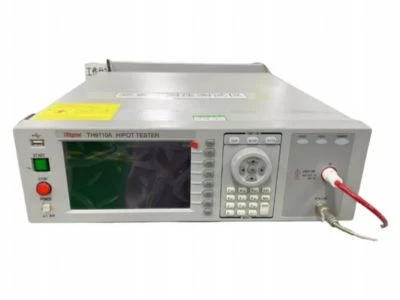
Forward current, forward voltage, and electrical stability provide additional indicators of device consistency and operating behavior. These parameters should be evaluated alongside optical and thermal results because electrical operating conditions directly influence heat generation and long-term UVC LED performance.
Epitaxy / Wafer Preparation: Ultraviolet-visible (UV-Vis) Spectrophotometry


Chip Fabrication: Optical & Electrical Performance Testing


Application-Level Validation Before Mass Production
Passing component-level reliability tests does not automatically establish system-level performance. A production-ready UVC LED solution must also demonstrate that the selected device, module, optics, thermal design, and operating conditions work together under the intended application environment.
A validation framework spanning component, system, and application levels should include full-stress lifetime testing, microbiological disinfection testing, and long-term operational simulations under real-world conditions.
Microbiology Lab: Microbiological Disinfection Testing


Which Reliability Standards Matter for UVC LED Suppliers
Standards provide a structured reference for supplier qualification, but their relevance depends on the target application and market. For procurement teams, the more useful approach is to examine whether the supplier's certifications, test methods, and internal quality controls correspond to the reliability requirements of the product being developed.

AEC-Q102
AEC-Q102 is particularly relevant when UVC LEDs are developed for automotive applications requiring defined component-level reliability validation.
ISO 9001 & IATF 16949
ISO 9001 and IATF 16949 address quality management at the organizational and process levels rather than replacing product-specific reliability testing.
For supplier assessment, these certifications are most useful when considered together with actual test reports, inspection records, production controls, and evidence showing how quality requirements are maintained through mass production.
How to Verify a UVC LED Supplier
Supplier verification should move beyond reviewing a datasheet and examine the manufacturer's actual testing scope, test conditions, documentation, and production controls. A supplier that can connect engineering requirements with repeatable manufacturing and traceable validation provides a stronger basis for technical qualification.
Check the Testing Scope
Review whether the supplier evaluates optical, electrical, thermal, environmental, mechanical, package, lifetime, and application performance as appropriate for the target product. A broad and application-relevant test structure provides a more complete view of UVC LED reliability.
01
Review Actual Test Conditions
Ask for the temperature, drive current, humidity, test duration, measurement method, and sample information associated with reliability results. Without these conditions, a lifetime or degradation figure is difficult to compare meaningfully across suppliers.
02
Check Data Traceability
Reliable supplier documentation should connect specifications with test reports, inspection records, certifications, and relevant production information that makes testing data and validation reports are documented and traceable from device level through system level.
03
Evaluate In-House Validation Capability
Internal laboratories can provide greater control over testing consistency and allow engineers to move efficiently between design verification and application validation. It`s better to maintain dedicated photochemical, biological dose verification, and reliability testing laboratories covering component-, system-, and application-level validation.
04
Verify Mass-Production Quality Control
Testing capability becomes more meaningful when it is integrated into the manufacturing process rather than isolated from production. Quality process should cover customer requirement analysis, system design, epitaxy and wafer preparation, chip fabrication, device packaging, system integration, testing and validation, and certification documentation.
05
Explore More UVLEDTEK's Capabilites
What Makes UVLEDTEK's UVC LED Reliability Process Different
UVLEDTEK's quality framework is structured around continuous control from semiconductor development through final delivery. Its UVC LED manufacturing process combines in-house production capabilities with optical, electrical, reliability, and application validation to support consistent product development and qualification.
Full-Process Quality Control
The quality system extends across epitaxy and wafer preparation, chip fabrication, LED packaging, module assembly, system integration, testing, validation, and documentation. This allows quality requirements to be carried through successive manufacturing stages rather than evaluated only at final inspection.
In-House Testing & Validation
UVLEDTEK operates dedicated photochemical, biological dose verification, and reliability testing platforms, supporting validation at component, system, and application levels. The company also performs high-temperature reliability and aging tests on packaged LEDs to verify long-term performance against customer lifetime requirements.
Data-Backed Mass Production
Its quality process combines production monitoring with optical and electrical testing before devices proceed through manufacturing, while standardized test reports and inspection records support traceability. The UVC LED product range also includes multiple package sizes, wavelengths, optical power levels, and radiation angles for different application requirements.
View Our Quality Control Process
Conclusion
Reliable UVC LED performance is established through systematic testing that connects environmental stress, lifetime degradation, package integrity, optical and electrical stability, and application-level validation. For procurement teams, supplier quality should be judged not only by specifications and certifications, but also by the depth of testing, traceability of evidence, and ability to transfer validated performance into mass production. If you are evaluating a UVC LED supplier, review our UVC LED quality and reliability capabilities or submit your application requirements for further technical evaluation.
Request for Your UVC LED Application Requirements