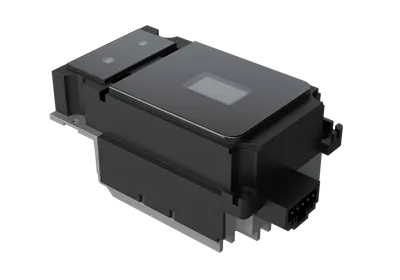
OEM High-Performance Optical Detector Module
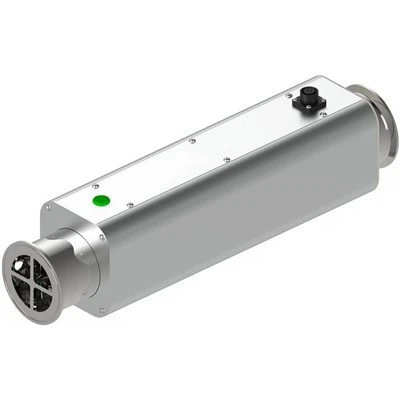
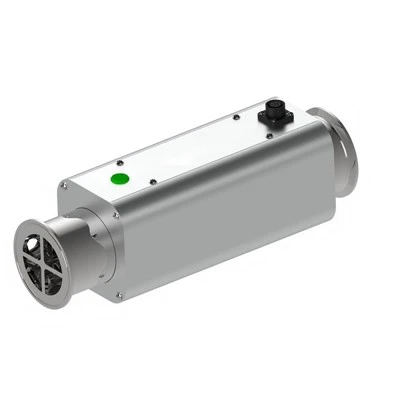
The optical detector module integrates a high-sensitivity photodetector, a low-noise transimpedance amplifier (TIA), and signal conditioning circuitry within a compact, EMI-shielded metal enclosure.
Working Principle: Photons striking the active semiconductor area generate electron-hole pairs. The resulting photocurrent is converted into a stable voltage signal via internal TIA, minimizing parasitic capacitance and analog front-end signal degradation.
Problems Solved: Replaces complex discrete analog front-end circuits, suppresses electromagnetic interference (EMI) in dense instrument layouts, and maintains repeatable signal conversion across variable operating conditions.
-
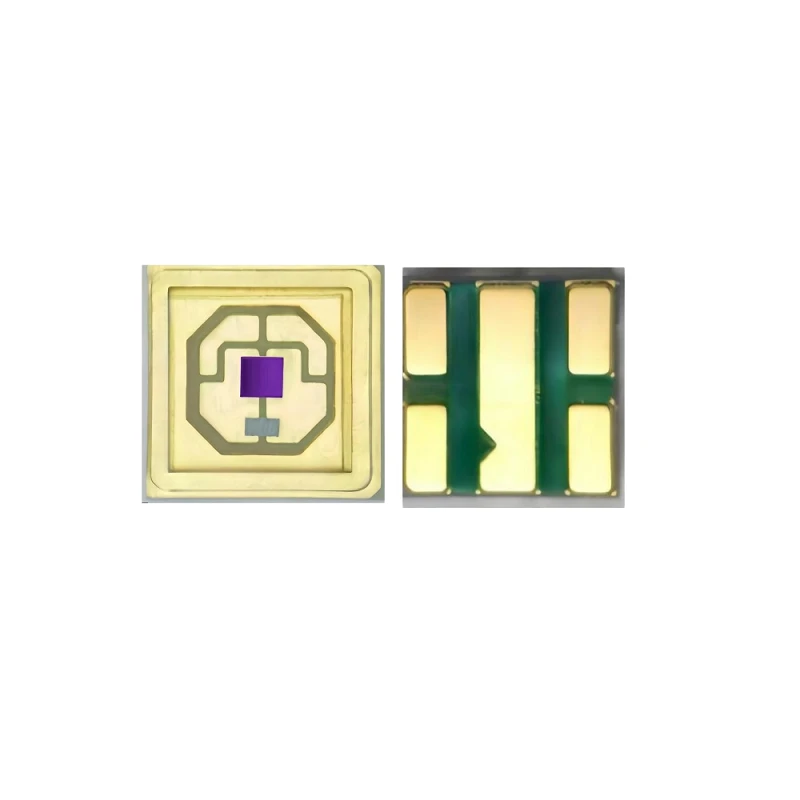
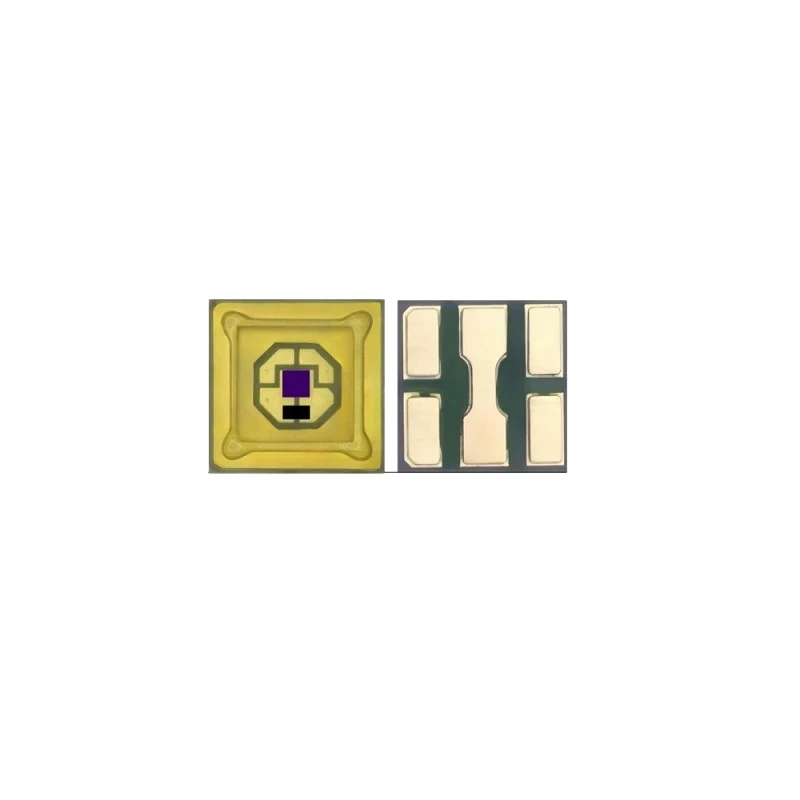
![UV Detector]() UV Detector
Broadband UV Detection (230–360 nm)
Real-Time Intensity Monitoring
Fast 5 ms Response Time
Simple Analog Voltage Output
Compact TO-Can Package (φ8.2 mm)
Ideal for UV...

Module Types & Key Specifications
|
Model Series |
Spectral Range |
Responsivity |
Bandwidth / Rise Time |
Output Interface |
Operating Temperature |
|
DM-SI-01 |
320 nm to 1100 nm |
0.6 A/W (at 850 nm) |
10 MHz / 35 ns |
±5V Analog |
-20°C to +70°C |
|
DM-IGA-02 |
900 nm to 1700 nm |
1.0 A/W (at 1310 nm) |
50 MHz / 7 ns |
Single-ended 50 Ω |
-10°C to +60°C |
|
DM-APD-03 |
400 nm to 1000 nm |
50 A/W (Gain = 100) |
100 MHz / 3.5 ns |
Differential LVDS |
0°C to +50°C |
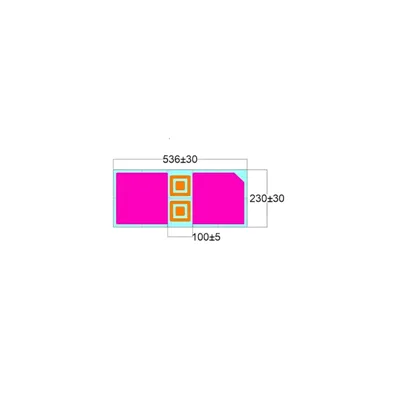
Mechanical Dimensions: Compact footprint starting at 40 x 30 x 15 mm (customizable upon request).
Optical Interface: FC/PC, SMA905, or free-space window aperture.
Applications & System Compatibility
Terminal Equipment
Spectrophotometers, fluorescence detection systems, optical power meters, laser telemetry, and industrial non-destructive testing (NDT) equipment.
System Integration
Powered by standard DC supplies (±12V or +5V). Direct compatibility with multi-channel ADC acquisition boards and FPGA digital signal processors.
Operating Environment
Built for benchtop analytical instruments and industrial rack-mount systems requiring sustained operational stability under continuous load.
Customization & OEM/ODM Capabilities
Manufacturing and quality infrastructure support tailored integration requirements:
Optical Components
Custom photodetector selection (Si, InGaAs, APD, PMT) matched to specific wavelength bands.
Circuit Architecture
Adjustable gain-bandwidth products, active bandpass filters, and customized digital or analog output formats.
Mechanical & Thermal Design
CNC-machined aluminum housings with internal copper shielding to suppress RF interference. Thermal management pads stabilize dark current performance during prolonged operation.
Production Infrastructure
In-house SMT assembly lines, Class 10,000 cleanroom optical alignment stations, and automated spectral response test benches maintaining batch-to-batch tolerance within ±2%.
Testing & Integration Support
Testing Protocols
Every production batch undergoes dark current screening, frequency response verification using modulated laser sources, and a 72-hour burn-in testing cycle.
Reliability Validation
Tested against MIL-STD-810 standards for mechanical vibration, thermal shock, and humidity resistance.
Integration Support
3D STEP files, SPICE simulation models, reference layout guides, and individual serial-number calibration test reports provided.

Frequently Asked Questions

Request a Quote
To receive a formal quotation, engineering drawing, or evaluation sample, please provide your system parameters:
Operating Wavelength: (e.g., 850 nm, 1310 nm)
Required Bandwidth / Rise Time:
Target Output Format: (e.g., Analog voltage, Differential LVDS)
Estimated Annual Volume:
Application Environment:
[Submit Technical Inquiry / Request Evaluation Sample]
As one of the most professional detector module manufacturers and suppliers in China, our products have good reputation in the market. Please rest assured to buy high quality detector module at competitive price from our factory. For more information, contact us now.
230 360 nm broadband detection, Germicidal UV LED Component, UV intensity detectors