Introduction
Developing a custom UVC LED module requires more than selecting the right wavelength and radiant power, as optical performance, thermal management, mechanical integration, and electrical compatibility must work together in the final product. When these requirements are not clearly defined, companies may face repeated design changes, longer development cycles, and difficulties moving from prototypes to mass production. Preparing the right project information before approaching a manufacturer helps engineers assess feasibility, identify potential risks, and establish a practical development plan.
Define Your Application and UVC Performance Targets
A custom UVC LED module should be designed around its intended application, target microorganisms, and required disinfection or photochemical performance.
End-Use Application: Identify whether the module will be used in water treatment, air purification, refrigerators, washing machines, automotive HVAC systems, or photochemical equipment, as each application involves different exposure conditions and performance requirements.
Target Microorganisms & Reduction Requirements: Specify the target microorganisms and required inactivation level, such as 3-log or 4-log reduction, so engineers can determine the required UVC dose under defined operating and testing conditions.
Treatment Environment: Provide the water flow rate, UV transmittance (UVT), air velocity, treatment volume, and operating duration where applicable, allowing engineers to evaluate how the treated medium affects UVC exposure.
These details provide the inputs for optical simulation, which can predict light distribution, irradiation uniformity, and cumulative UVC dose (mJ/cm²) across the target area. Simulation helps identify potential coverage gaps before prototyping, while actual disinfection performance must be confirmed through appropriate biological testing.
Prepare Mechanical Layout and Thermal Management Conditions
Mechanical dimensions and cooling conditions determine whether a proposed UVC LED design can fit inside the target equipment and maintain stable operation.
Available Installation Space
Provide 3D drawings in STEP or IGES format, mounting positions, dimensional tolerances, available installation space, and the working distance between the light source and target area.
Cooling Method & Conditions
Specify whether the module uses passive cooling, forced-air cooling, or liquid cooling, together with available heatsink dimensions, fan specifications, cooling airflow, or coolant flow rates.
UV-Exposed Materials
Identify materials surrounding the UVC light source, including reflectors, sealing components, optical windows, and plastic housings, so engineers can assess UV resistance and potential material degradation.
Flow simulation can help identify airflow or coolant distribution, recirculation zones, and cooling dead spots, while thermal simulation evaluates temperature distribution and LED junction temperature under expected operating conditions. Because excessive junction temperature can accelerate optical output degradation and affect wavelength stability, thermal management should be addressed during the initial UVC LED module design rather than after prototype assembly.
Specify Electrical, Optical, and Control Requirements
Once the application and mechanical boundaries are established, the next step is to define the module-level specifications required for integration into the host equipment.
|
Specification |
Information to Prepare |
|
Peak Wavelength |
Preferred wavelength or range, such as 265 nm or 275 nm |
|
Radiant Power |
Target total optical output (mW) |
|
LED Configuration |
LED quantity, arrangement, and channel requirements |
|
Input Power |
DC voltage, current range, and power consumption |
|
Driver & Control |
Integrated constant-current driver, PWM dimming, and switching logic |
|
Feedback |
Operating status indicators and fault signals |
|
Environmental Conditions |
Temperature, humidity, and duty cycle |
|
Protection |
Required sealing structure and IP rating |
Wavelength & Radiant Power
Specify the preferred UVC wavelength and target optical output, allowing engineers to balance disinfection requirements, optical efficiency, and system cost.
Power Supply & Driver Integration
Define input voltage, operating current, driver requirements, and connection interfaces to ensure electrical compatibility with the host equipment.
Control & Feedback Functions
Clarify whether the module needs PWM dimming, operating status indicators, fault feedback, or communication interfaces for integration with the main control system.
Environmental Protection & Service Life
Provide expected temperature and humidity ranges, waterproofing requirements, switching frequency, daily operating hours, and target service life to guide module construction and reliability design.
These requirements form the basis of the UVC LED module specifications and help engineers determine LED configuration, drive electronics, and protection structures as an integrated design. The final wavelength, power, and configuration should be confirmed through application-specific engineering evaluation and testing.
Identify Compliance, Safety, and Validation Requirements
Regulatory and safety requirements should be incorporated into the initial design brief rather than treated as final-stage approval tasks.
Target Market & Industry Standards
Identify destination markets and applicable requirements for the finished equipment, including relevant CE, UL, RoHS, REACH, or industry-specific compliance requirements.
Validation Criteria
Identify the required optical performance, biological dose, and reliability tests, together with acceptance criteria for prototype approval and production release.
UVC Exposure Protection
Specify whether the finished equipment needs safety interlocks, door-opening detection, automatic shutdown, or other mechanisms to prevent unintended UVC exposure.
Automotive Qualification
For automotive applications, clarify whether AEC-Q102-qualified LED components and an IATF 16949-compliant manufacturing process are required, recognizing that component qualification and manufacturing quality management serve different purposes.
A suitable validation program should cover photochemical performance, biological dose verification, and reliability testing. These tests help confirm whether the proposed module meets its intended application requirements before the design is approved for production.
Prepare Your Project Timeline and Choose an ODM Partner
A complete project brief should cover not only technical specifications but also development milestones, expected demand, budget boundaries, and production expectations.
Prototype & Production Volume: Estimate the initial sample quantity, engineering validation batches, pilot production volume, and annual estimated quantity (EAU) to help the supplier plan development resources and manufacturing capacity.
Target Cost & Project Schedule: Provide the target BOM cost, expected development timeline, prototype approval date, and planned mass production launch to establish realistic project milestones.
IP & Documentation Requirements: Clarify confidentiality agreements, design ownership, technical data access, validation reports, batch records, and production traceability requirements before development begins.
Supplier Engineering Capabilities: Evaluate whether the manufacturer can coordinate optical design, thermal management, fluid dynamics, drive electronics, mechanical integration, and prototype development within one engineering workflow.
Development & Production Process: Confirm that the supplier follows a structured process covering requirement alignment, solution design, quotation, prototyping, testing, validation, and mass production.
When evaluating an ODM partner, buyers should look beyond the ability to assemble LED components and assess whether the supplier can translate engineering requirements into validated designs and consistent manufacturing processes. Project milestones should also define the responsibilities, deliverables, and approval criteria at each development stage.
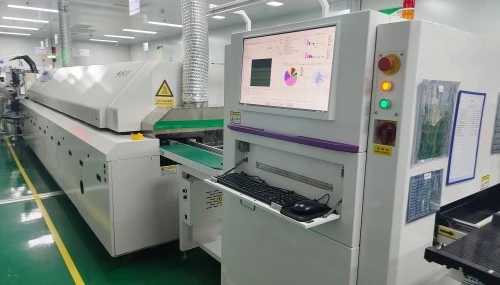
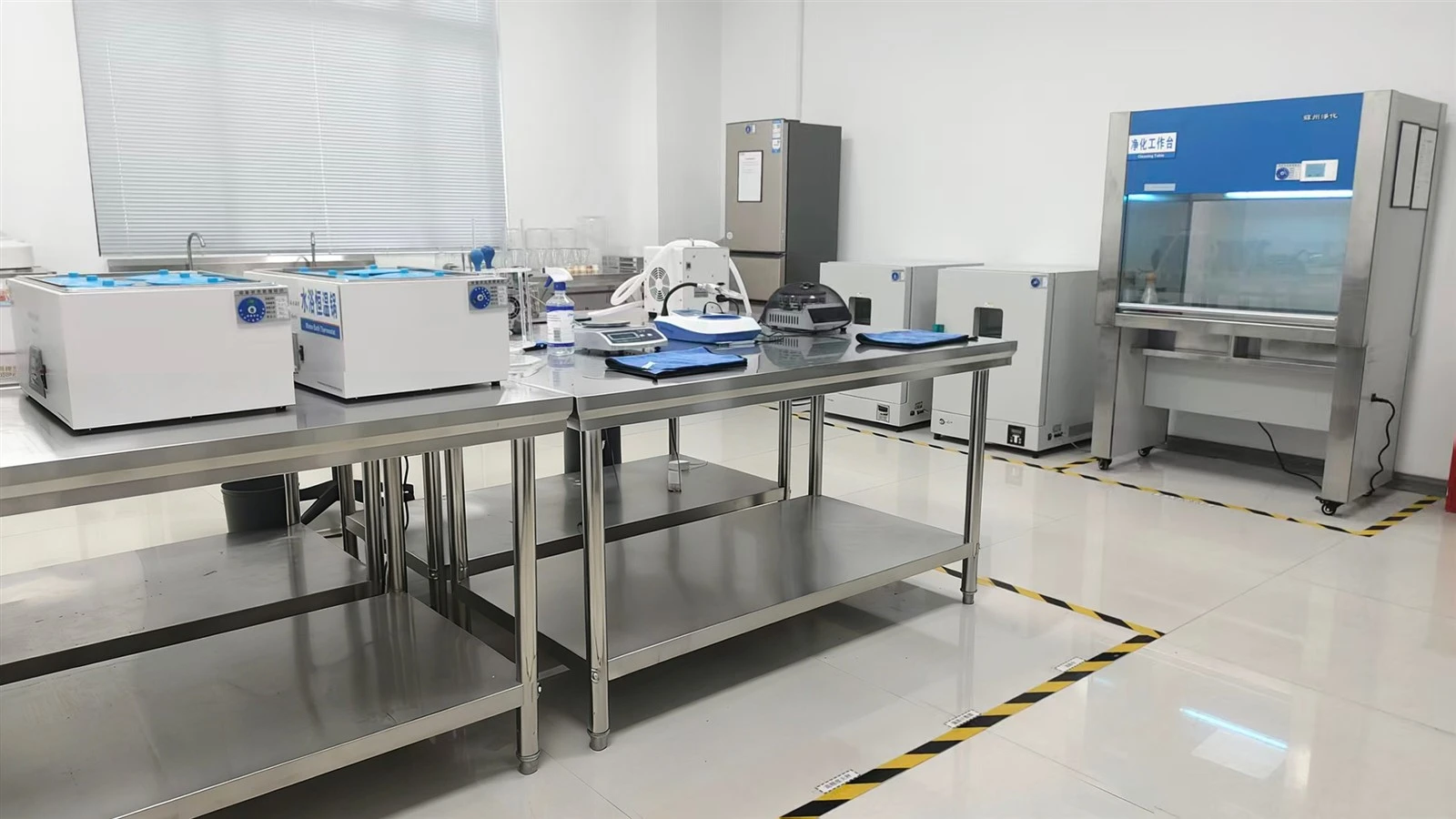
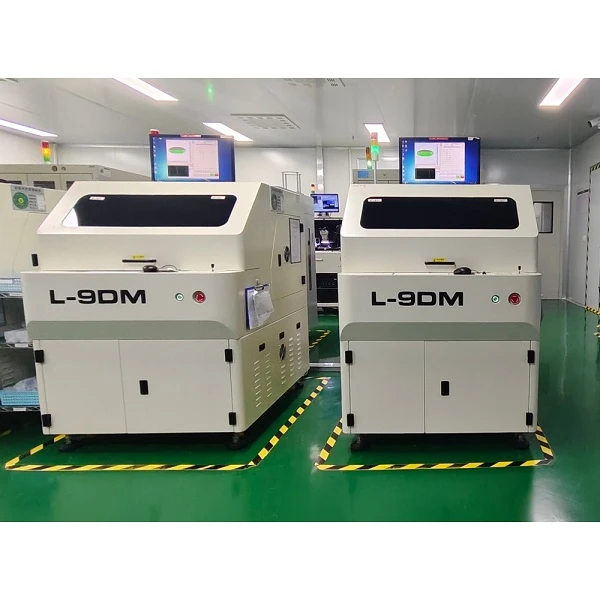
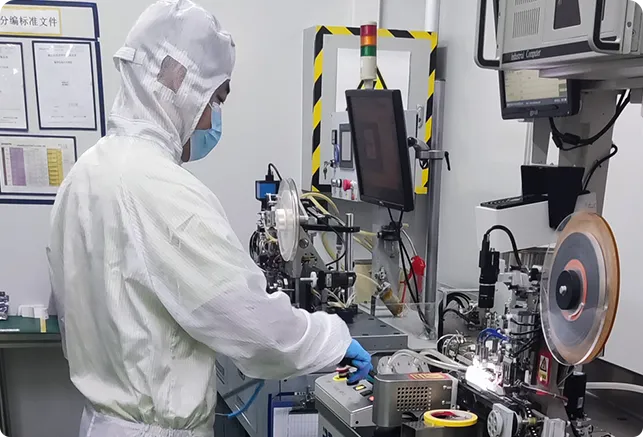
UVLEDTEK supports this process through optical, flow, and thermal simulation, together with in-house photochemistry, biological dose verification, and reliability testing platforms. Its engineering team provides project support from initial requirement assessment and prototype development through validation and mass production, helping customers move from design concepts toward production-ready UVC LED modules.
Your End-to-End Partner

Credible, Verifiable Proof
Conclusion
Preparing a custom UVC LED module project requires clear information about the application, performance targets, mechanical boundaries, electrical specifications, compliance requirements, and production expectations. However, not every technical parameter needs to be finalized before contacting an ODM supplier, as engineering teams can help evaluate feasibility and refine the proposed design through simulation and testing. Share your initial application concept, available technical drawings, and project requirements to start an engineering discussion and explore customized UVC LED solutions from design to mass production.
Start Your Custom UVC LED Project
FAQ
Q: Can I Start a Custom UVC LED Module Project Without Complete Technical Specifications?
A: Yes, an initial application description, preliminary performance targets, and available mechanical drawings are sufficient to begin a feasibility assessment with an experienced ODM supplier.
Q: What Should I Send to a UVC LED Module Manufacturer for an Initial Evaluation?
A: Prepare your application scenario, target UVC performance, installation dimensions, cooling conditions, electrical requirements, target market, estimated order volume, and expected development schedule.