Automotive Health Cabin Monitoring Module
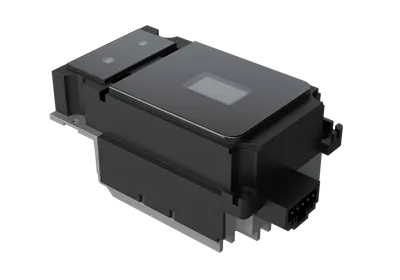
The Automotive Health Cabin Monitoring Module is an OEM-grade sensor assembly engineered for in-cabin occupant monitoring, driver fatigue tracking, and vital sign verification.
Core Functions: Real-time, non-contact monitoring of heart rate (HR), respiration rate (RR), heart rate variability (HRV), child presence detection (CPD), and driver micro-sleep classification.
Working Principle: Integrates a 60GHz frequency-modulated continuous-wave (FMCW) radar transceiver with an infrared optical sensor. The radar array emits millimeter-wave signals to detect micro-displacements of the human chest wall caused by cardiac and respiratory cycles, while the optical sensor tracks facial landmarks and blink dynamics. Proprietary multi-sensor fusion algorithms filter out high-frequency vehicle vibration and body movement artifacts.
Problems Solved: Eliminates the need for wearable sensors in passenger and commercial vehicles. Complies with Euro NCAP occupant status monitoring protocols and European General Safety Regulation (GSR) driver distraction mandates while minimizing false-positive rates in dynamic driving environments.
-
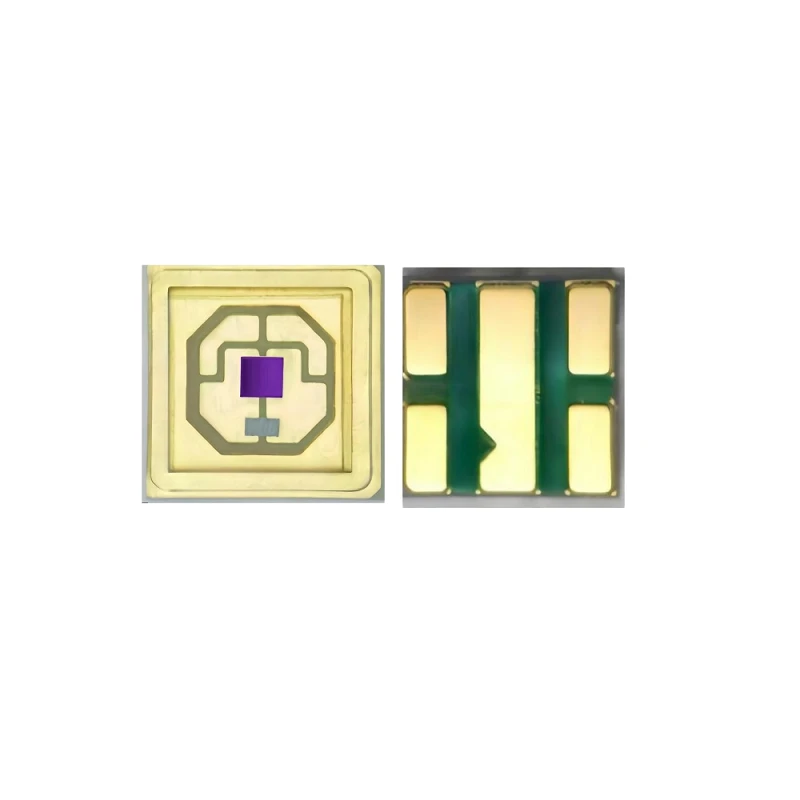
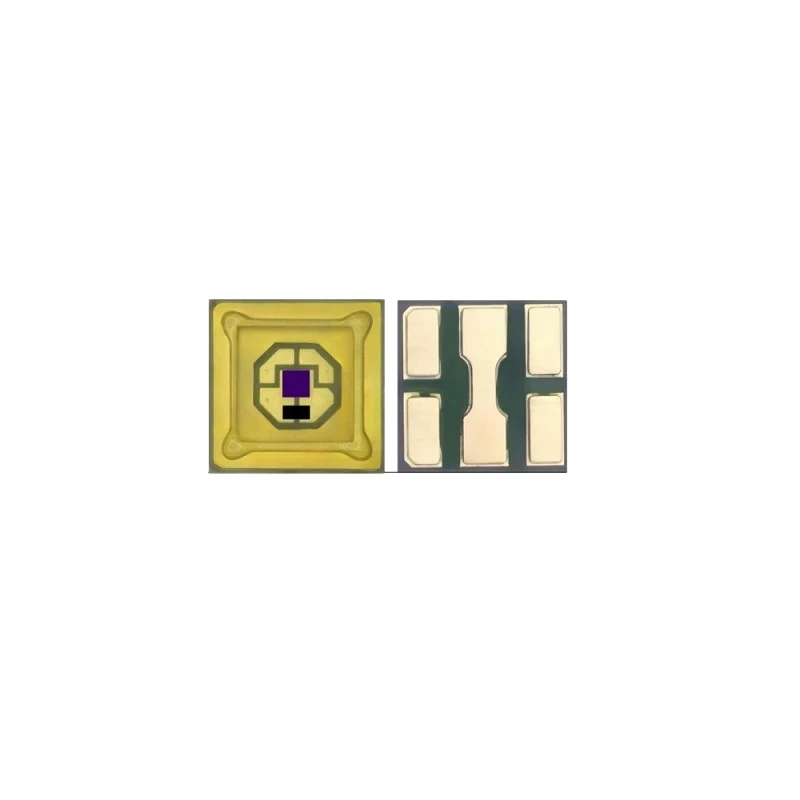
![Automotive Cabin Lighting and UVC Disinfection Integrated Module]() Automotive Cabin Lighting and UVC Disinfection Integrated...
Refrigerator Disinfection: Active Purification Cooling • Odor-Free • Extended Freshness • OEM Fit
Cabin Lighting&Disinfection: Unattended UVC Air Disinfection • 99.9% in 20 min •... -
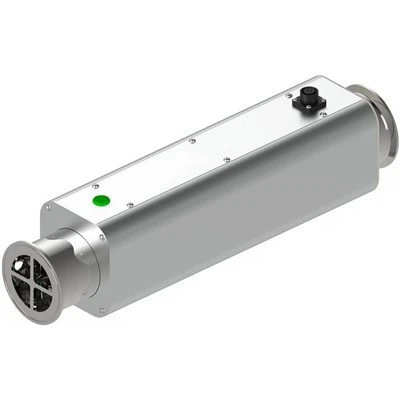
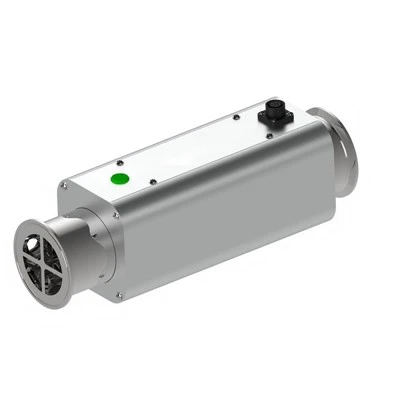
![Automotive Refrigerator UVC Sterilization Module]() Automotive Refrigerator UVC Sterilization Module
Refrigerator Disinfection: Active Purification Cooling • Odor-Free • Extended Freshness • OEM Fit
Cabin Lighting&Disinfection: Unattended UVC Air Disinfection • 99.9% in 20 min •...


Module Types & Key Specifications
|
Parameter / Feature |
Model HCM-60R (Radar Core) |
Model HCM-60F (Fused Radar & Optical) |
|
Sensing Technology |
60GHz FMCW Radar (3T3R Antenna Array) |
60GHz FMCW Radar + IR Optical Camera |
|
Detection Range |
0.3m to 3.5m (Adjustable via SDK) |
0.3m to 2.5m (Cabin-wide coverage) |
|
Vital Sign Accuracy |
Heart Rate: ±3 bpm / Respiration: ±2 rpm |
Heart Rate: ±2 bpm / Respiration: ±1 rpm |
|
Communication Interface |
CAN FD (up to 5 Mbps), UART |
100BASE-T1 Automotive Ethernet, CAN FD |
|
Operating Voltage |
9V - 16V DC (Load dump protected) |
9V - 16V DC |
|
Power Consumption |
< 1.8W (Typical operating mode) |
< 3.5W (Full processing load) |
|
Operating Temperature |
-40 °C to +85 °C |
-40 °C to +85 °C |
|
Dimensions & Housing |
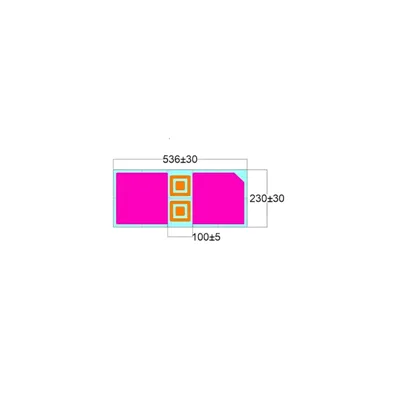
85 mm × 45 mm × 15 mm (ABS+PC Enclosure) |
110 mm × 50 mm × 22 mm (Aluminum Die-Cast) |
Applications & System Compatibility
Terminal Integration
Designed for integration into In-Vehicle Infotainment (IVI) head units, roof overhead consoles, rearview mirror housings, and A-pillar trim assemblies.
System Compatibility
Fully compatible with AUTOSAR (Classic/Adaptive) architectures, Linux, and QNX real-time operating systems. Raw data and pre-processed feature vectors output via standard CAN FD or Automotive Ethernet protocols using proprietary SDK/API packages.
Operating Environment
Engineered for interior deployment in passenger vehicles, heavy-duty commercial trucks, long-haul logistics fleets, and emergency transport vehicles. Housing materials withstand cabin temperature extremes from -40 °C to +85 °C and UV exposure in accordance with automotive interior standards.
Hardware architecture and firmware logic can be adapted to match specific vehicle cabin geometries and Tier 1 system requirements.
Hardware Adaptation: Custom antenna radiation patterns for specific roof or dashboard mounting angles; selection of optical sensor lenses with field-of-view (FOV) from 60° to 120°.
Algorithm Tuning: Digital signal processing (DSP) filter coefficients calibrated to specific engine idle frequencies and chassis suspension vibration profiles.
Mechanical & Interface: Customized enclosure dimensions, custom connector pinouts (FAKRA or Rosenberger coaxial connectors), and optional IP67 conformal coating for open-cab commercial vehicles.
Manufacturing & Quality Control: Production is executed on automated SMT lines equipped with Automated Optical Inspection (AOI) and In-Circuit Testing (ICT). Every production batch undergoes 100% burn-in screening through thermal cycling chambers (-40 °C to +85 °C, 48-hour operational test) to eliminate infant mortality failures prior to shipment.

Testing & Integration Support
Engineering validation procedures and test methodologies align with rigorous automotive electronic component standards.
Performance Testing
Conducted in certified anechoic chambers to ensure electromagnetic compatibility (EMC). Complies with CISPR 25 Class 3/4 standards for conducted and radiated emissions.
Reliability Validation
Tested per ISO 16750 standards for mechanical vibration, thermal shock, and electrical transient immunity. Electrostatic discharge (ESD) protection rated up to ±8 kV contact and ±15 kV air discharge (ISO 10605).
Integration Support
Provision of hardware reference schematics, mechanical STEP files, signal integrity simulation reports, protocol interface documentation, and remote protocol debugging assistance by dedicated application engineers.
Frequently Asked Questions

Request a Quote
To evaluate the Automotive Health Cabin Monitoring Module for your vehicle platform, submit your technical requirements below. Our engineering team responds within 24 hours with specification packages, pricing tiers, and sample availability.
Required Information: Project timeline, target vehicle type, integration location (roof/dashboard/mirror), communication interface preference, and estimated annual volume.
Contact Channel: info@uvledtek.com
As one of the most professional automotive health cabin manufacturers and suppliers in China, our products have good reputation in the market. Please rest assured to buy high quality automotive health cabin at competitive price from our factory. For more information, contact us now.
UV LED modules, UVC sterilization modules, vehicle healthy cabin systems