Introduction
Choosing between a 265 nm UVC LED and a 275 nm UVC LED involves more than comparing their germicidal wavelengths. Although both can inactivate microorganisms, their effectiveness depends on microbial sensitivity, radiant output, exposure time, and system design. This guide compares their optical performance, disinfection efficiency, application suitability, and operating costs to help engineers select the right wavelength for water treatment, air disinfection, and medical equipment.
265 nm vs 275 nm UVC LED: Differences in Germicidal Effectiveness
The difference between these wavelengths becomes clearer when engineers consider how microorganisms absorb UVC energy and respond to different irradiation doses.
UV Absorption & Microbial Inactivation
Nucleic acids absorb UVC radiation strongly, with many microbial DNA absorption responses peaking near 260–265 nm, making 265 nm particularly effective for DNA damage and microbial inactivation.
265 nm vs 275 nm Disinfection Efficiency
Research comparing different UVC wavelengths has demonstrated that 265 nm can achieve greater E. coli inactivation under certain experimental conditions, although 275 nm also delivers effective disinfection when sufficient UV energy reaches the target microorganisms.
Why Wavelength Alone Cannot Determine Disinfection Results
Actual germicidal performance depends on UV dose, target microorganism, water quality, exposure conditions, and irradiation uniformity rather than wavelength alone.
265 nm vs 275 nm UV LED: Optical Performance & Device Technology
Beyond germicidal effectiveness, engineers must evaluate how wavelength selection influences semiconductor materials, optical output, and long-term device reliability.

AlGaN Epitaxial Materials & Wavelength Selection
Both wavelengths rely on AlGaN-based semiconductor technology, while shorter-wavelength emission generally requires a higher aluminum composition, making epitaxial quality, crystal defects, and carrier injection important factors affecting device performance.
Radiant Flux & Wall-Plug Efficiency
Radiant flux measures total optical power in milliwatts, whereas wall-plug efficiency (WPE) measures the proportion of electrical input converted into UV radiation, so engineers should compare actual output under consistent operating conditions rather than assume that either wavelength is inherently more powerful.
Thermal Management & L70 Lifetime
Junction temperature, heat dissipation, and operating current influence optical output stability and L70 lifetime, making thermal design essential for UVC LED modules intended for continuous operation.
265 nm vs 275 nm UVC LED: Disinfection Dose & System Efficiency
A reliable wavelength comparison must move beyond individual LED specifications and evaluate how much effective UV energy reaches microorganisms inside the complete disinfection system.
UV Dose, Irradiance & Exposure Time
UV dose is generally calculated by multiplying irradiance by exposure time, with mJ/cm² representing the accumulated UV energy received per unit area.
Factors Affecting Effective UV Dose
LED quantity, optical distribution, irradiation distance, water UV transmittance, turbidity, airflow, and residence time all influence the dose delivered to microorganisms.
Why System-Level Validation Matters
Optical field distribution, fluid dynamics, and thermal behavior should be evaluated together because uneven irradiation or insufficient residence time can reduce disinfection performance even when individual LEDs provide adequate rated radiant flux.
For example, a water treatment system operating at a higher flow rate may require additional LEDs or an optimized optical arrangement to maintain its target dose. Increasing the rated output of individual LEDs does not automatically compensate for poor reactor geometry or uneven water distribution.
For a more detailed guide to wavelength, optical power, package selection, and flow-rate requirements, see our guide: How to Select UVC LEDs for Water Disinfection Systems.
Choosing 265 nm or 275 nm UVC LED for Different Applications
The most suitable wavelength depends on the operating environment, target microorganisms, required disinfection level, and physical constraints of the equipment.
1. Water Treatment: Medical Pure Water vs. High-Flow Systems
A 265 nm UVC LED deserves consideration in medical and laboratory water systems where microbial sensitivity is a priority, while both wavelengths can serve household and industrial water treatment when validated against the required dose, flow rate, and water quality; for example, industrial systems may need to maintain a minimum UV dose of 40 mJ/cm² at their specified operating flow.

2. Air Disinfection: HVAC & Air Purification
A 275 nm UVC LED can be a practical option for HVAC systems and air purification equipment when its radiant output, irradiation coverage, airflow residence time, and thermal performance meet the design requirements.

3. Medical & Laboratory Equipment
Medical device developers should select wavelengths according to the target pathogen, exposure geometry, required microbial reduction, material compatibility, and applicable validation protocols rather than assuming that one wavelength suits every medical application.
265 nm vs 275 nm UVC LED: Cost, Lifetime & Purchasing Considerations
The initial LED price is only one part of the investment, and purchasing decisions should account for the complete module and its expected operating performance.
LED Unit Cost & Module BOM
Compare the cost of LED chips, ceramic substrates, packaging, optical components, drivers, and heat dissipation structures because these components collectively determine the module bill of materials (BOM).
Operating Cost & Maintenance
Evaluate electrical consumption, L70 lifetime, output degradation, cooling requirements, and replacement frequency to estimate long-term operating expenses under actual working conditions.
Performance-Based Procurement
Request wavelength tolerance, radiant flux at specified drive current, forward voltage, thermal resistance, lifetime test conditions, and microbial inactivation reports to verify whether the proposed LED meets project requirements.
A lower-cost LED may require more units or additional cooling to achieve the same system-level disinfection performance. Conversely, a higher-output device may reduce component quantities but still require careful optical and thermal integration.
265 nm vs 275 nm UVC LEDs: Which Wavelength Should You Choose
The following selection process helps engineers connect wavelength specifications with real operating requirements before finalizing a UVC LED design.
- Define the Disinfection Target: Identify the microorganisms, required log reduction, and applicable validation standards before selecting a wavelength.
- Determine Operating Conditions: Establish water flow rate, airflow velocity, exposure time, UV transmittance, and the required disinfection dose.
- Compare Device Performance: Evaluate radiant flux, WPE, wavelength tolerance, drive conditions, and thermal characteristics using comparable product specifications.
- Assess Integration Requirements: Consider available installation space, optical coverage, heat dissipation, power consumption, and expected maintenance intervals.
- Validate the Complete System: Test representative samples under actual operating conditions to confirm microbial reduction, dose distribution, and long-term output stability.
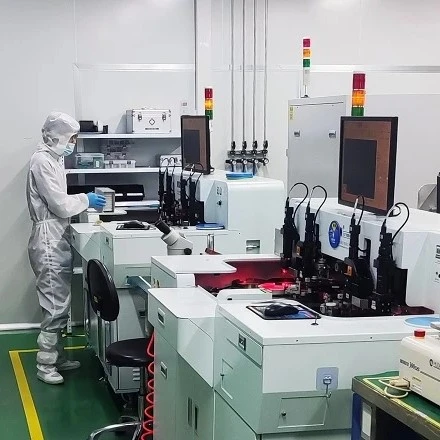
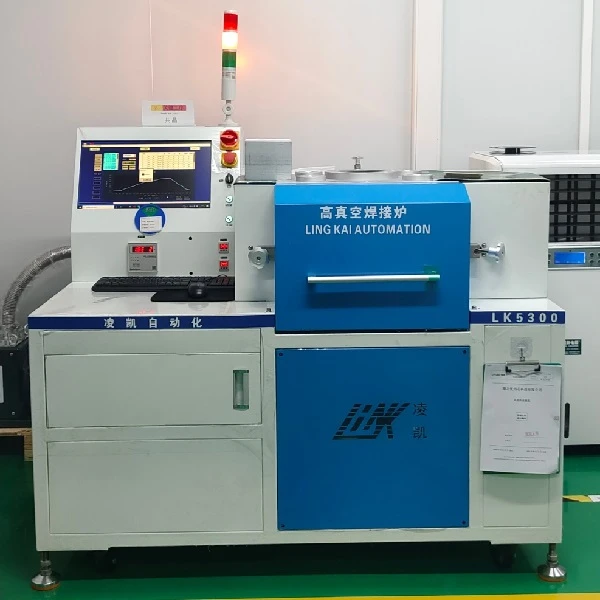
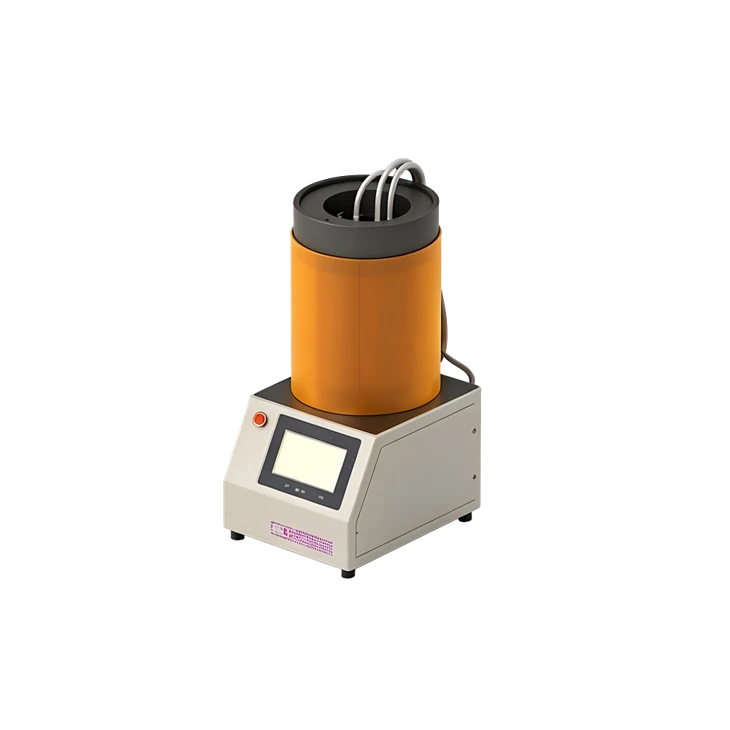
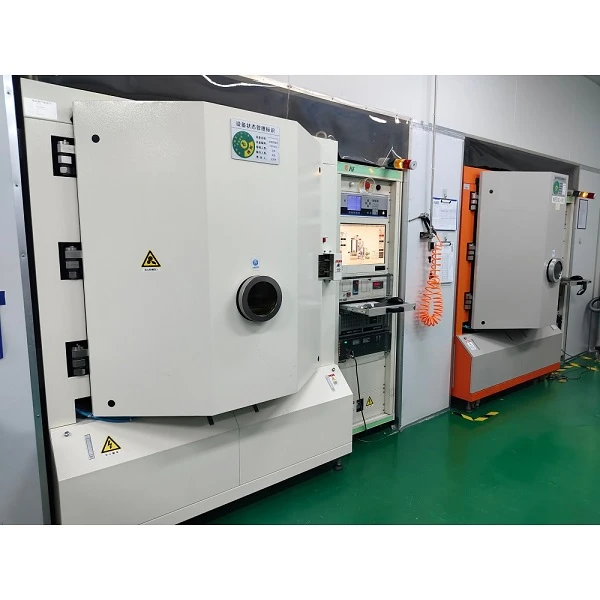
UVLEDTEK provides AlN and AlGaN epitaxial wafers, UVC LED technologies, and integrated disinfection modules for water treatment and air purification applications. Its engineering capabilities include optical and thermal co-design, RED-CFD coupled simulation of optical, flow, and thermal fields, and customized wavelength and dose engineering for application-specific systems.
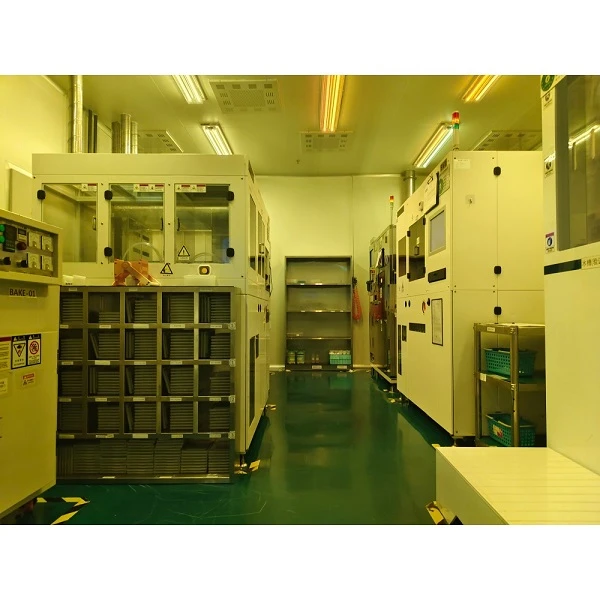
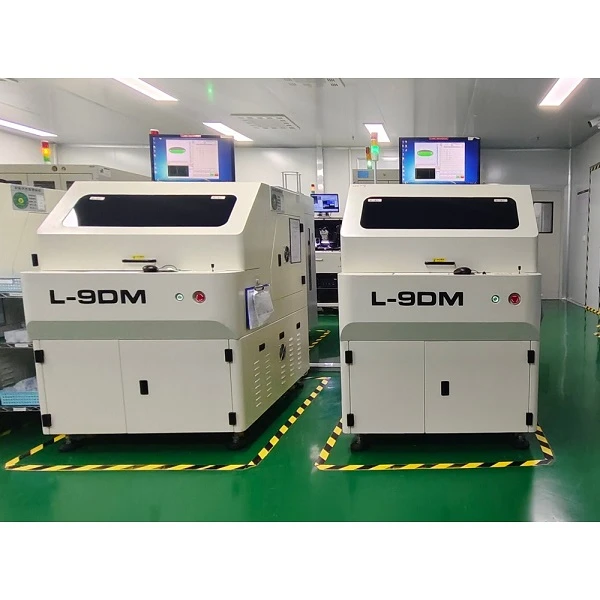
Chip Fabrication Line
Comprehensive Manufacturing: from Chip to System
Conclusion
Neither 265 nm nor 275 nm is universally superior because germicidal effectiveness and device performance depend on both wavelength and operating conditions. While 265 nm can offer advantages for certain microbial inactivation targets, 275 nm can also provide effective performance in properly designed water and air disinfection systems. Contact an experienced UVC LED engineering team with your target microorganisms, flow rate, airflow conditions, and required UV dose to develop a wavelength-matched disinfection solution.
Find Your Suitable UVC LED Wavelength
FAQ
Q: Is 265 nm UVC LED More Effective Than 275 nm for Disinfection?
A: It can be more effective against certain microorganisms under comparable test conditions, but the actual difference depends on the target organism and delivered UV dose.
Q: Does a 275 nm UVC LED Produce More Radiant Power Than a 265 nm LED?
A: Not necessarily, because radiant flux depends on chip structure, packaging, drive current, and thermal conditions rather than wavelength alone.
Q: Which UVC LED Wavelength Is Better for Water Treatment?
A: Both can be suitable, but engineers should compare microbial sensitivity, water quality, flow rate, UV transmittance, and validated dose requirements.
Q: What Should Engineers Compare When Selecting a UVC LED?
A: Engineers should evaluate wavelength tolerance, radiant flux, WPE, operating temperature, L70 lifetime, optical distribution, and verified disinfection performance.