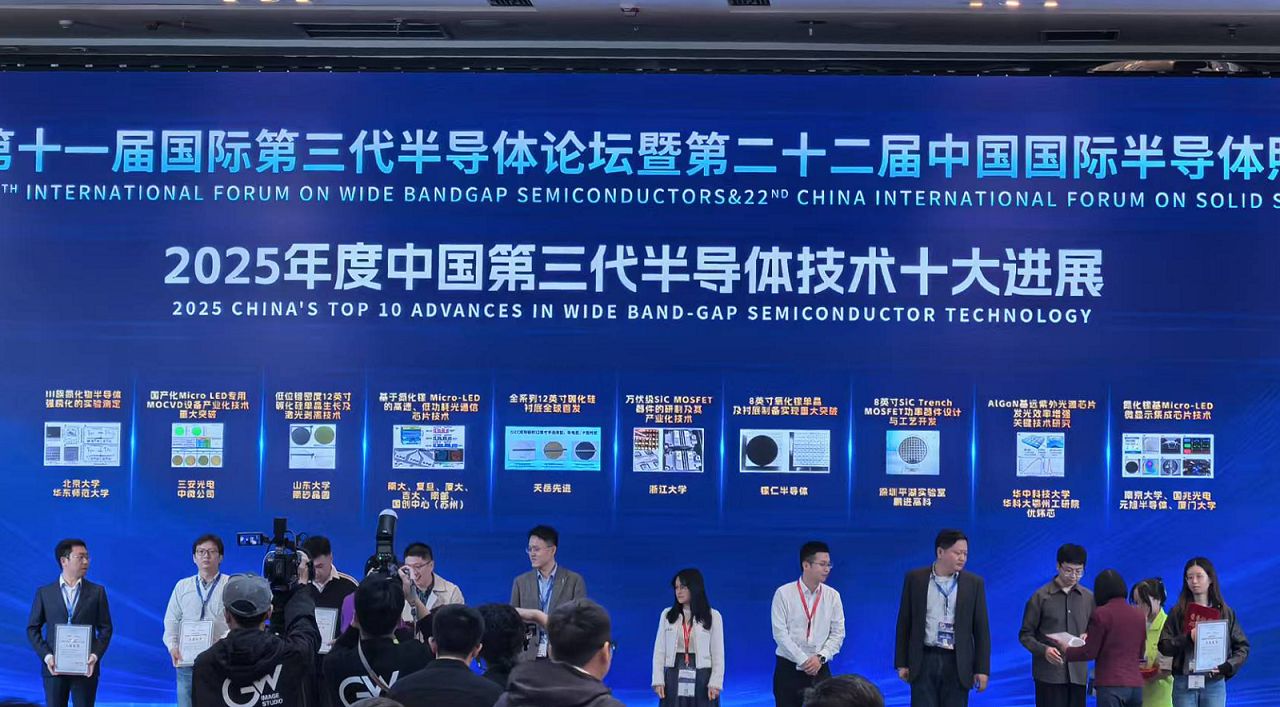
On 12th Nov. 2025, the 11th International Forum on Wide Bandgap Semiconductors and the 22nd China International Forum on Solid State Lighting were grandly held in Xiamen city. During the event, the "2025 China's Top 10 Advances in Wide Band-Gap Semiconductor Technology" was officially released. Among the selected achievements was the project titled "Key Technology Research on Enhancing Luminescence Efficiency of AlGaN-based Deep-Ultraviolet Light Source Chips," jointly accomplished by UVLEDTEK, Huazhong University of Science and Technology (HUST), and the Ezhou Industrial Technology Research Institute of HUST.
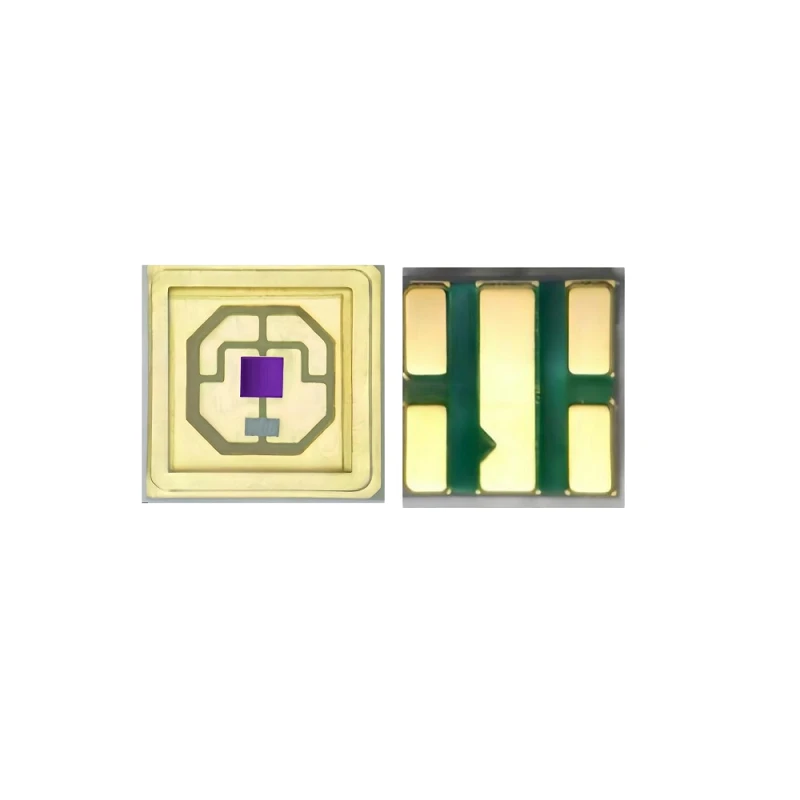
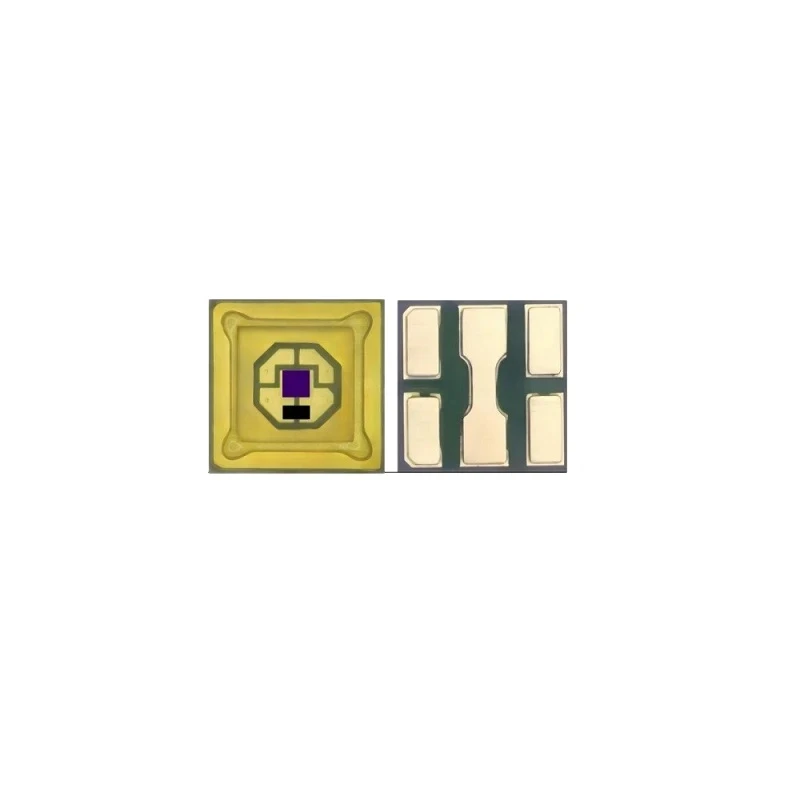
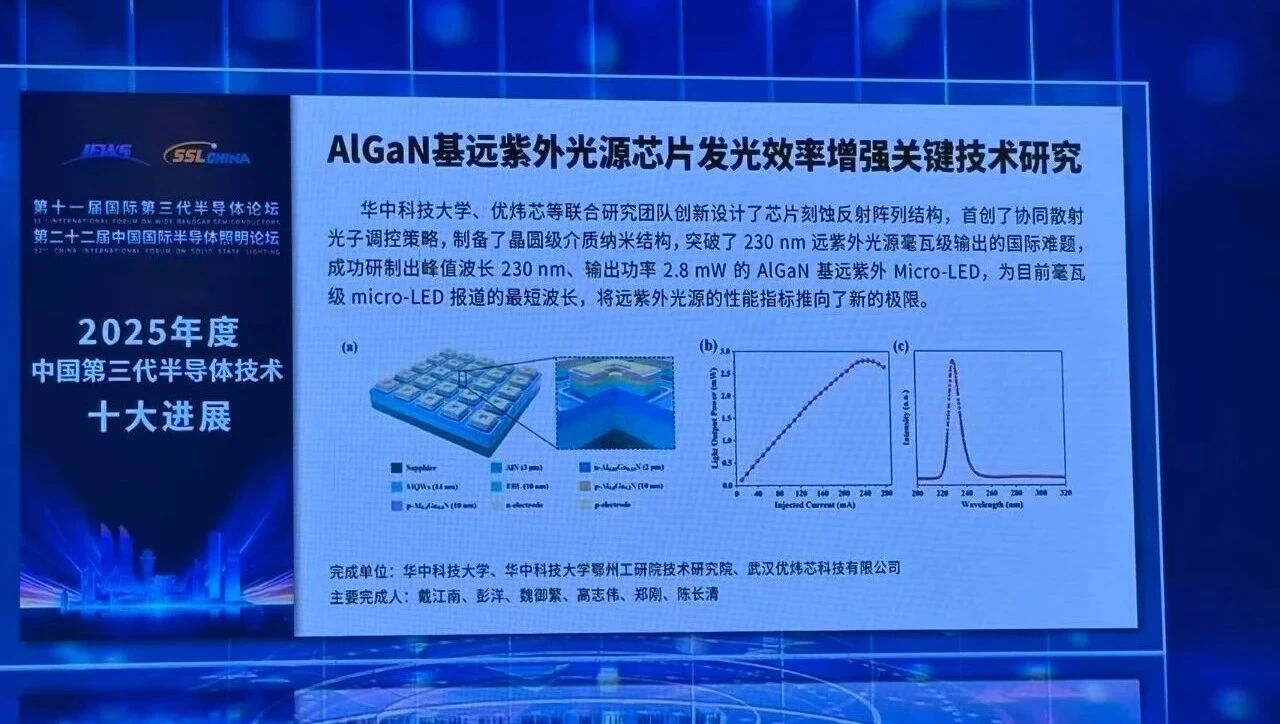
The joint research team of UVLEDTEK successfully fabricated wafer-scale dielectric nanostructures by innovatively designing an etched reflective array structure for the chips and pioneering a coordinated scattering photon regulation strategy. These key technological breakthroughs have overcome the global challenge of achieving milliwatt-level power output in far-ultraviolet LED light sources operating at the 230nm band. Ultimately, the team developed an AlGaN-based deep-ultraviolet LED source with a peak wavelength of 230nm and an output power of 2.8mW, which represents the shortest wavelength reported to date for milliwatt-level deep-ultraviolet LEDs, pushing the performance limits of deep-ultraviolet LED light sources to a new frontier.
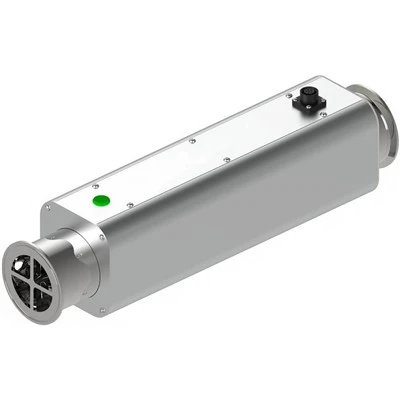
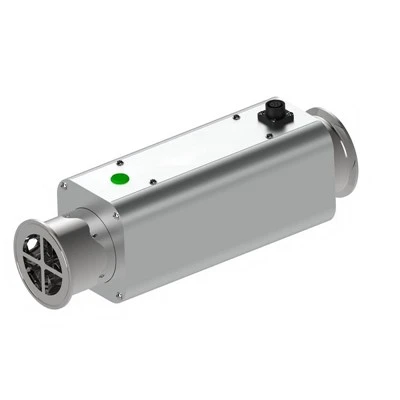
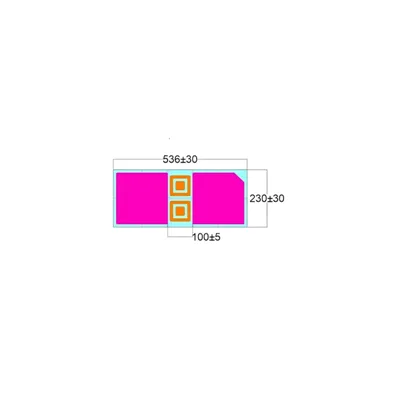
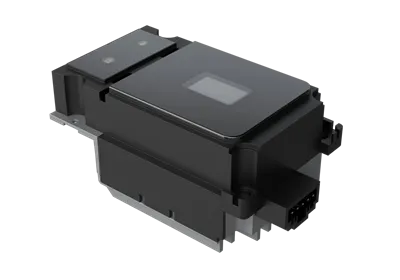
With the extremely short wavelength and high energy, 230nm deep-ultraviolet light can efficiently destroy microbial DNA/RNA, achieving highly effective sterilization. What is even more revolutionary is that it solves the core challenge of "human-machine coexistence" in traditional deep-ultraviolet disinfection-compared with conventional UVC wavelengths, this band has weaker penetration into human tissues such as the skin and eyes, with significantly reduced potential harm. This characteristic allows continuous real-time disinfection to be carried out in occupied spaces such as hospitals, schools, public transport, and offices without requiring evacuation, greatly expanding the application boundaries of ultraviolet disinfection. Additionally, 230nm deep-ultraviolet light demonstrates high sensitivity in the detection of specific substances, giving it broad application prospects in scenarios demanding high precision and low-dose safety assurance, such as gas sensing, water quality analysis, and precision instrument inspection.
This selection into the "2025 China's Top 10 Advances in Wide Band-Gap Semiconductor Technology" is an authoritative recognition from the industry of UVLEDTEK and the partners in terms of innovation capability and R&D strength in core semiconductor technologies. Moving forward, UVLEDTEK will continue to increase R&D investment, deepen close collaboration with industry-university-research partners, and remain committed to driving the continuous innovation and industrial development in third-generation semiconductor technologies (particularly in the field of wide-bandgap semiconductor optoelectronics), contributing to enhancing China's global competitiveness in this domain and lead the industry to continuously scale new technological heights.